
Managing neurodiversity in the workplace

According to Harvard HealthNeurodiversity refers to diversity in the human brain and cognition, for instance in sociability, learning, attention, mood, and other mental functions. It provides an inclusive view of cognitive diversity, highlighting the differences at a neuro-biological level while considering the socio-cultural contexts of a human’s lived experience.  

Employers need to be mindful as to how the business set up helps support those with different neurological conditions to create a diverse workforce. This includes:

  • · Understanding the importance of managing neurodiversity at work.
  • · Understanding how to manage neurodiversity at work, and 
  • · Being better able to support those with different neurological conditions. 

In 2021, a Harvard Health report described the idea that people experience and interact with the world around them in many different ways; there is no one “right” way of thinking, learning, and behaving, and differences are not viewed as deficits

The report explains how neurodiversity advocates encourage inclusive, non-judgmental language. While many disability advocacy organizations prefer person-first language (“a person with autism,” “a person with Down syndrome”), some research has found that the majority of the autistic community prefers identity-first language (“an autistic person”).  

Therefore, rather than making assumptions, it is best to ask directly about a person’s preferred language, and how they want to be addressed. Knowledge about neurodiversity and respectful language is also important for clinicians, so they can address the mental and physical health of people with neurodevelopmental differences. 

According to Professor Amanda Kirby, CEO of Do-it Solutions Limited and Campaigner for Neurodiversity, Neurodiversity is the way we think, move, act, communicate and process information. 

She explains, “we are all different. Some people have challenges and strengths associated with conditions such as Attention Deficit Hyperactivity Disorder (ADHD), Dyslexia, Autism, Dyscalculia, Developmental Coordination Disorder/Dyspraxia, Developmental Language Disorder. 

There is not one person or one condition that defines our differences ( or our similarities). We are too often defined by what we can’t do and not by what we can. 

The reality is that some people will gain a diagnosis of Dyslexia, for example, and others diagnosed as having Autism or ADHD. However, who gains a diagnosis often can be a bit of a lottery. It can depend on whether difficulties are identified as a child by a teacher who spots some signs of Dyslexia or Dyspraxia (also known as Developmental Coordination Disorder) or by a parent who knows something about one of these conditions.

It often requires tenacity on the part of the parent or individual and also depends on local waiting lists and service availability. For many people it can be a lengthy and at times costly process in terms of stress. Some people are paying for assessments as an alternative at a high cost. 

For most people the starting position is to understand their challenges and gain some practical strategies to help as soon as possible. By understanding their unique spiky profile, you have a starting point to help to support them to be their best. 

A person-centred approach means that strategies are tailored to EACH PERSON. It also importantly means harnessing strengths, to build confidence, self-esteem and become resilient.” 

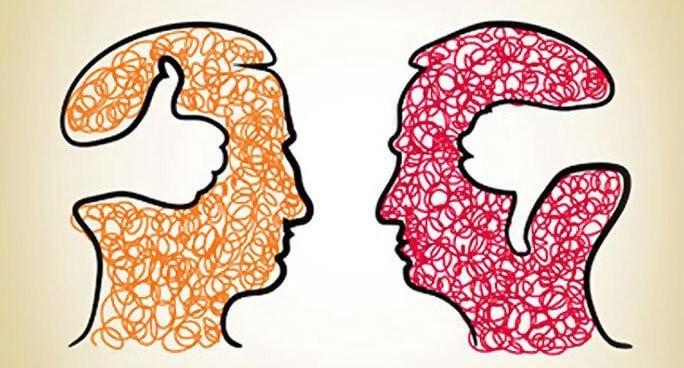
Professor Kirby’s research produced an effective guide for employers to making different adjustments for neurodivergent people, where three elements can be easily changed. Take a look at the graphic below and consider what your organisation can do to better understand how to manage neurodiversity at work, and how to support those with different neurological conditions.

I’d love to hear where you are on your journey to becoming an neurodiverse workplace. Let me know in the comments…
Race Equality Week

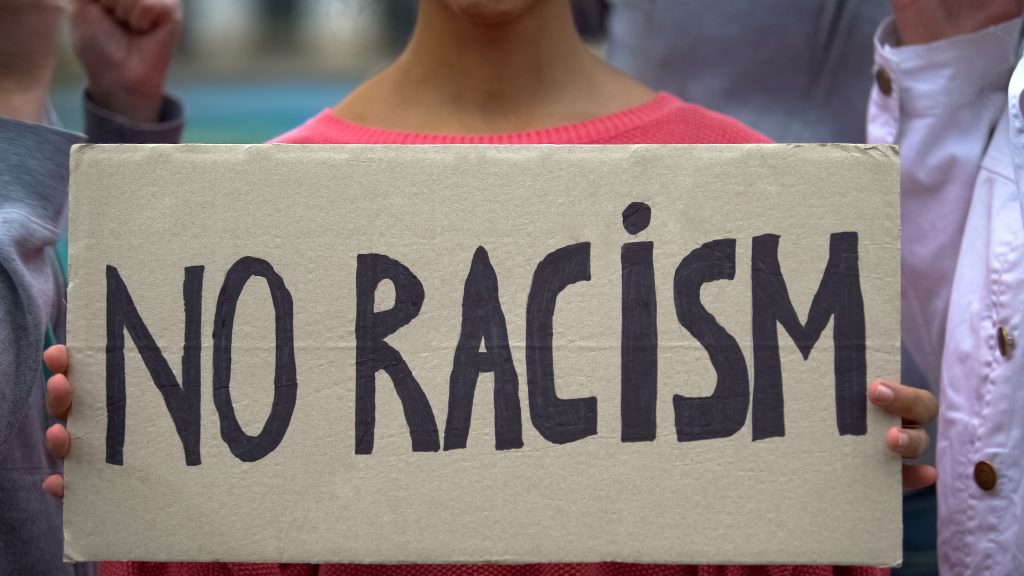
February 6th marks the start of Race Equality Week. The theme for Race Equality Week 2023 is #ItsEveryonesBusiness. This theme was chosen as 79% of respondents believe it would have a meaningful impact on tackling race inequality.

Race Equality Week is an annual UK-wide movement uniting thousands of organisations and individuals to address the barriers to race equality in the workplace. The events of 2020, including the Black Lives Matter movement and the disproportionate impact of COVID-19 on ethnic minority communities, has heightened public consciousness of race inequality

Since the flurry of pledges many organisations were making back in 2020 to become more inclusive, which for many included black squares, signing charters and race action plans, progress in addressing racial inequality is proving to be a challenge.

Race Equality Matters’ survey highlighted that the majority of respondents felt very little had changed in the last 12 months. Whilst some organisations are now taking a nudge approach, which is starting to impact change. Many have struggled to know where to start.

Thanks to Sy Joshua at Race Equality First for these actions to ensure you are on top of your game when it comes to Race Equality in the Workplace: 

1. Book your team onto Anti-racism training

It’s not enough to be ‘not racist’, what is your team doing to be Anti-racist? Are you taking active steps to remove racial barriers and obstacles from the workplace.

2. Review your diversity & inclusion policy

Too many Diversity and Inclusion policies are a ‘copy & paste’ job. Does your policy contain your organisation’s DNA around EDI? If not, a full review may be overdue!

3. Encourage employee-led initiatives promoting racial equality

Empowering employees towards coproduction and including ‘lived experience,’ is a must in ‘moving the dial’ towards more inclusive spaces.

4. Ensure inclusive initiatives are outcome focused

Don’t forget to measure the impact your initiatives are having on attitudes, behaviour and workplace culture.

I’d love to hear where you are on your journey to becoming an anti-racist workplace. Let me know in the comments…

June is Pride Month

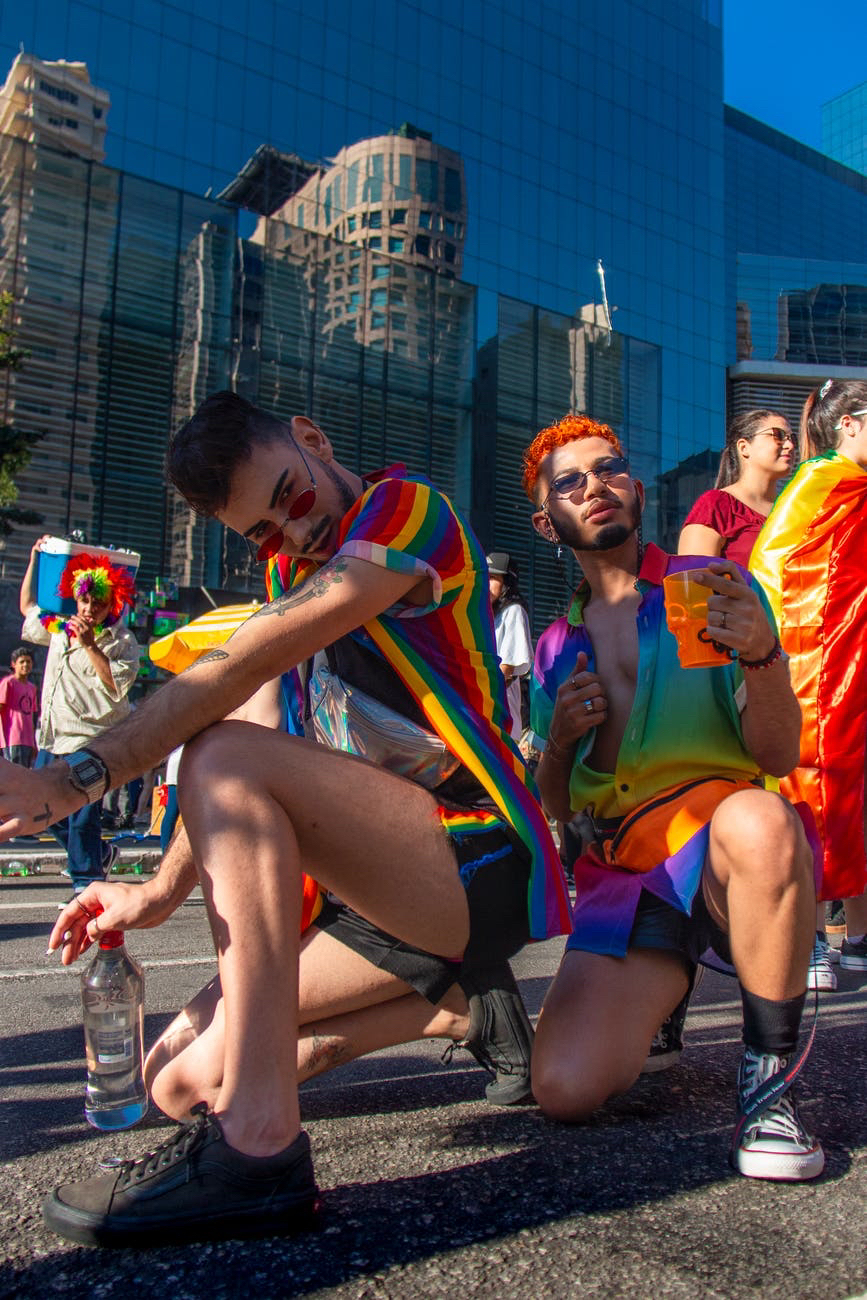
In the UK, June is Pride Month, a month dedicated to celebrating LGBTQ+ communities around the world. This year marks the 50th anniversary of the first Pride march in the UK – a day when hundreds of LGBTQ+ people and their allies arrived in London to protest a society where they were not safe to be themselves.

Organisation’s need to work with the LGBTQ+ community and their own LGBTQ+ employees to ensure an inclusive workplace culture. When better than pride to engage with your LGBTQ+ employees to build inclusion. That said, there is little point flying flags one month a year if you don’t celebrate your LGBTQ+ staff all year round. Take the time to engage with the LGBTQ+ workforce. So, speak to your staff, review your policies for inclusivity, find external trainers to raise awareness around pronouns and look to update your language around gender identity and gender expression to better include the full spectrum of the LGBTQ+ community.

The first UK Gay Pride Rally was held in London on 1 July 1972, a date that was chosen as it was the closest Saturday to the anniversary of the 1969 Stonewall riots in New York City, and around 2,000 people participated.

In London, these brave protesters marched to Trafalgar Square despite fearing for their own safety. But they knew it was important that their voices were heard – and their actions that day paved the way for half a century of progressive societal change for LGBTQ+ people.

The Stonewall riots were important protests that took place in 1969 in the US, that changed gay rights for a lot of people in America and around the world.

Quiz Question – Who is known as ‘The Mother of Pride’ after organising the first ever gay pride march. Answer at the bottom of this article.

In their article celebrating fifty years of gay pride, the Gay Times explains how the first Pride march came about in the UK.

“On 1 July 1972, around 2,000 people marched down Regent’s Street in London in the name of Gay Pride. Up to 40 members of the Gay Liberation Front had organised the protest, hoping it would serve as an antidote to widespread gay shame prevalent throughout the community. Same-sex sexual acts had only been decriminalised in England and Wales five years earlier, so the LGBTQ+ community was still dealing with the trauma they’ve suffered during the decades before. “They were ashamed of their sexuality and gender identity so our counter to gay shame was Gay Pride,” Peter Tatchell – one of the people who organised that 1972 Pride march – explained.”

In 2022, Pride is a celebration of people coming together in love and friendship, to show how far LGBTQ+ rights have come, and how in some places there’s still work to be done.Pride month is about acceptance, equality, celebrating the work of LGBTQ+ people, education in LGBTQ+ history and raising awareness of issues affecting the LGBTQ+ community. It also calls for people to remember how damaging homophobia was and still can be. Pride is all about being proud of who you are no matter who you love.

Since June 28, 1970, Pride events have grown bigger, bolder and well… prouder!

Did you know the answer to our quiz question? The answer is Brenda Howard, an American lady who is recognised as ‘The Mother of Pride’ after she organised the first ever gay pride march.

JD

#BlackLivesMatter

In relation to the tragic events of May 25th in Minnesota, I support the black community at this difficult time and remain committed to using my voice to effect real change. It should not take a video of a man being killed and thousands of people in the street for us to pay attention.

I am inspired by the strength and character of the black community in the face of these senseless tragedies and am committed to standing up for what is right and not just standing by.  Shallow, tokenistic commitment is worse than silence. If you are interested in racism only when it is trending, keep your solidarity to yourself.

I encourage all the community, where you see racism and racist behaviour then call it out, challenge it and if it’s in the workplace tell someone. Silence is no longer an option and we will step up for our black colleagues, now more than ever.

If you are not Black, please remember your voice is needed right now—being anti-racist means speaking up, being an ally and challenging the injustices that may not directly affect you. Stand up, make noise about the events happening right now, educate family and friends and continue to push for change. Recognising white privilege has become a major focus in building a fairer society, but we also need to recognise the privilege of living in the west.

Now is not the time to be silent, neither is it the time to jump on a bandwagon. It’s a time for real reflection and care with regards  standing by the black community at this time and move forward with real steps to end racism and injustice. Racism can only be addressed together, we can not afford to stand on the sidelines making excuses.

Let’s unite to confront and stop the spread of race-related hatred, violence and systemic injustice.

As, Kehinde Andrews, writing for the Guardian, says “It is time to radically rethink society to make it value black life. History tells us that the oppressed won’t wait for ever. It is time to get on the bus or get out of the way. ”

Black lives matter.

No individual can solve the deeply embedded issue of racism but if you want to see real change then you must be that change, don’t wait another second for others to lead you. Be the change you want to see, challenge your community, challenge your workplace to be better. With racism so deeply rooted in our social order, there can be no quick fixes – but here are some steps you can take in the workplace.

  1. Be clear and concise-we’re talking about Black issues

Make it clear we are talking about Black issues, not “people of colour.” This is not the time for digressing or diluting the issue for non-Black comfort. There is no place for this—ever. Step up in a direct and empathetic way.

  1. Talk about this, openly

Make it clear why this is a crucial conversation to have. Do not post in Black/race-focused groups only. This is relevant for everyone. Talk about systemic racism, sharing links to Black-driven research, making it clear this is a structural issue we all must address.

  1. Create a safe space for colleagues to vent, and be open, if they want to be

Violence on Black colleagues is not an anomaly—people are emotionally scared and physically exhausted. As we’re all mostly working remotely, this may mean having open-diary slots with managers or creating an open space on your communication platform for folks to talk if they want to.

  1. Signpost mental health support

Talking to colleagues isn’t enough. People need to know what professional mental health support is available to them and how to access it as soon as possible.

  1. Managers must step up

Ensure managers are giving space to Black colleagues in particular, right now. Managers play a huge role in supporting people with everything happening in society—empathy is key. What affects or doesn’t affect you does not necessarily map to everyone else.

  1. Do not centre yourself

Do not focus on yourself in these conversations. If you are not Black, your pain and hurt is not the priority right now. This may be an anomaly for you—it is not an anomaly for Black colleagues who live this life, every day.

  1. Senior leaders must step up, especially if they are white or non-Black

Senior leadership must actively speak about this, whether they are uncomfortable or not. Their privilege must be used to make a difference. They should also signpost resources / donation links. They have a responsibility to show up for everyone. Keep in mind, most in leadership are white or non-Black, therefore their role as allies are important. They have the privilege of being listened to. They must amplify, learn and talk to their fellow white and non-Black colleagues to invoke real change.

  1. Analyse your data

Remember that one post doesn’t fix systemic racism. Highlight your compulsory anti-racism training (not opt-in, which is not useful). Gather our data across different protected characteristics to allow for analysis of bias in hiring, probation and promotion processes. Use this data to challenge our processes. If Black colleagues aren’t being treated in the same way as others, share this transparently and spend time creating an action plan to challenge.

  1. Do not add emotional/educational labour to Black colleagues

Every single person is different. That means people are processing this in many ways right now. Please make sure you’re not forcing Black colleagues to engage. This is emotionally/physically exhausting. If they want to, that is fine. If not, that is also fine. There is no onus on them to educate us.

JD

Being Conscious About Our Unconscious Biases

What is Unconscious Bias

The term ‘cognitive bias’ was coined by Amos Tversky and Daniel Kahneman in 1972 which quite simply means “our tendency to filter information, process facts and arrive at judgements based on our past experiences, likes/dislikes and automatic influences.”

How do these biases show up in Leadership?

A lot of leadership is about taking decisions involving group of people. Instinctive leaders often tend to decide quickly based on limited information or experience they have at hand. The result is that they end up taking wrong decisions (which may have worked for them in past but may not work in a different context), or discriminating with people of a certain colour, race, sex or nationality based on their past experiences with similar people. At work, biases (or the perception of bias) is the biggest contributor to people disengagement and cost of disengagement is huge. Lack of critical thinking also leads to short-termism where decisions are taken for immediate gains and solutions of today become thorny problems of tomorrow.

Some Ways to Deal with Unconscious Bias

Get Conscious. Be more aware about unconscious cognitive biases. Knowing that they exist is the first important step to tackling them. And they exist in plenty. Here is a list of all unconscious biases and what they really mean.
Ask questions, often. When considering a decision, ask questions that elicit understanding and clarify details. When you ask questions, you extend an opportunity to others to really express them. You are extending an opportunity to yourself to understand their thinking more closely. Encourage a culture where asking questions is valued.

Look for Patterns. Data over a period of time reveals patterns. Looking for patterns from the results of past decision can lead to important insights and learning. Sometimes data can blind us unless we learn to look at the pattern and story behind the data.

Look for the contrary. It helps playing a devil’s advocate and taking a contrarian view of things. It not only challenges others to think harder but also helps you in really understanding if they are just defending their own biases.

Embrace Diversity. This starts with hiring decisions. Don’t hire people whose beliefs are compliant with yours. You will tap into diverse ideas and viewpoints only when you have people with diverse thinking patterns on your team.

Attend to data and evidences. When you ask your people to bring data, evidences and trends, it does not mean lack of trust. It only means that you are intentional about serving them better by taking the right decisions.

Communicate clearly. Clear and accurate communication is a leader’s tool #1. Avoid using generic terms to describe people, situations and things. Biases are most commonly visible in how a leader communicates. Being mindful about our words is critical to thinking and communicating objectively.

Unconcious Bias Poster 1

Thanks go to Tanmay Vora for this excellent and concise explanation of what ‘unconscious bias’ is and how we can combat it in the workplace.

JD

Building  Inclusive Workplaces

The Chartered Institute of Personnel and Development (CIPD) explain that true inclusion is created by embedding inclusive practices and values into the organisation’s way of doing things. Whilst inclusion can’t be the sole responsibility of the people profession, people professionals nonetheless have a key role to play. They can support employees, line managers and senior leaders to build inclusive behaviours and values, ensure policies and practices are inclusive, and challenge organisational values and behaviours that don’t actively promote inclusion. Importantly, any action should be guided by organisational data and carefully evaluated – further research needs to test the most effective ways to build inclusion.

Explore the areas where you can take action to build inclusion.

  1. Involve all employees in inclusion

All employees need to understand their role in building inclusive workplaces. This involves employers setting clear standards of behaviour for inclusion, treating all colleagues with dignity and respect, and empowering employees to challenge exclusionary behaviour.

What you can do:

  • Make inclusion relevant to people at all levels of the business; what does inclusion mean in their job role and what they can do to be more inclusive?
  • Work with employee resource groups to highlight employees’ roles in inclusion, promoting alliance.
  1. Develop line manager capability

Managers are key in inclusion. The relationship they have with employees, and how they carry out people management practices and policies, will impact employees’ opportunities and experiences of work.

Treating all employees with respect, supporting their development and ensuring they’ve a say in the workplace is core for any manager. Managers need to ensure there’s a level playing field for their team, and support employee’s individual needs. However, bias can play a role in the opportunities that individuals are given at work – given our preferences for people ‘like us’.

What you can do:

  • Examine progression and hiring data to ensure that there’s a level playing field and address any bias.
  • Embed inclusion in line manager training and development – for example, raise awareness of issues relating to inclusion and empower managers to carry out people management practices effectively.
  1. Build senior commitment to inclusion

Many senior leaders are line managers themselves; they set the tone for the behaviour that’s expected in the business. And, with a drive towards increasing diversity on boards, attention must also be paid to how inclusive the boardroom is. People professionals should work with senior leaders to embed inclusion into the organisation’s way of doing things, highlighting the importance of their advocacy and buy in.

Senior leaders need to:

  • actively champion and sponsor inclusion activities
  • develop self-awareness and understand their own biases
  • role-model inclusive behaviour in their own people management, and in their own leadership team.
  1. Evaluate policies and practices

A two-step approach is needed to put in place people management practices and policies to support inclusion:

Consider the formal and informal mechanisms that can be improved to enhance inclusion for all employees. For example, ensure that there are clear mechanisms for feedback that allow employees to feel like they have a ‘say’ in the organisation.

Create specific policies and practices that support particular groups or individual needs. For example, make sure there are clear policies in place to support individual needs; these need to be implemented by managers and backed up by a supportive workplace environment.

Consider how you can:

  • embed inclusion into wider people management practices
  • communicate the policies in place that support inclusion
  • use organisational data to review policies and practices.
  1. Examine organisational culture, climate and values

Creating an inclusive climate and culture requires fair policies and practices, recognising and valuing difference, and including all employees in decision-making processes. Senior commitment in the form of real advocacy and buy-in is important in creating a truly inclusive organisation. In some cases, organisations might need to evaluate their own norms and values.

What you can do:

  • Work with employees throughout the business to understand current norms and values; is ‘difference’ seen as positive or negative, and do employees understand their role in inclusion?
  • Evaluate people practices through an inclusion ‘lens’ – do practices and policies align with inclusion?
  • Ensure that senior leaders support inclusion, and, importantly, role-model inclusive behaviour and value difference, rather than distrust it.

For further guidance on building inclusive workplaces check out this CIPD report on Building  Inclusive Workplaces (Sept 2019)

JD

Transgender Day of Remembrance

On November 20th it was Transgender Day of Remembrance (TDOR) an annual observance that honours the memory of the transgender people whose lives were lost in acts of anti-transgender violence.

Transgender Day of Remembrance (TDOR) was started in 1999 by transgender advocate Gwendolyn Ann Smith as a vigil to honour the memory of Rita Hester, a transgender woman who was killed in 1998. The vigil commemorated all the transgender people lost to violence since Rita Hester’s death, and began an important tradition that has become the annual Transgender Day of Remembrance.

This year, there have been 331 known killings of trans people worldwide that Stonewall and other LGBTQ+ communities and organisations around the world will remember. Sadly, these numbers include the murder of Amy Griffiths, a 51 year old trans woman, in Droitwitch, Worcestershire, in January of this year
Every life taken has its own devastating circumstances but it is possible to observe that the vast majority of those killed are trans women and transfeminine people of colour. The Trans Murder Monitoring Project noted that, of those whose professions were known, 61% of murdered trans people this year worked as sex workers.

In Europe, the majority of murdered trans women were migrant trans women. Many murders of trans people occur in circumstances including poverty, racism, anti-immigrant and anti-sex worker sentiment and misogyny, which deprive some trans communities of resources and protection and make certain kinds of trans person especially vulnerable to male violence.

Sadly, some trans people – particularly women – are most at risk of fatal violence from cis male intimate partners, such as boyfriends. The stigma, family rejection, limited employment opportunities and social isolation experienced by many trans people can leave them particularly vulnerable to abuse in relationships.

In many cases, violence against trans people is also driven by toxic ideals of masculinity founded on homophobia and biphobia. On Trans Day of Remembrance, many of us, whether cis or trans, can reflect on how we can work together to end gender-based violence, harassment and discrimination in all their forms.

JD

Culture First, Diversity and Inclusion Second

Diversity and Inclusion is not just about compliance with legislation, it’s about leading change, implementing improvement initiatives and engaging, motivating and improving the potential of staff.

Sundar Pichai, chief executive officer of Google LLC, said of inclusion “A diverse mix of voices leads to better discussions, decisions, and outcomes for everyone.”

This is equally true of the boardroom as it is the operational side of an organisation and the distinction that equality is not just about compliance with legislation must be supported at board and executive level within an organisation in order for diversity and inclusion initiatives to have any real impact.

As such, the first job to improve diversity and inclusion in an organisation is to get board and executive backing. Furthermore, unless the culture of the organisation is right then no diversity programme will help. Consequently, before any diversity and inclusion initiatives are rolled out it is essential that the culture of the organisation is one which is receptive to change, to new ideas and inclusion.

Where an organisations culture does not yet lend itself to inclusive practices then wholesale organisational development is essential and any diversity initiatives will fail until that culture is fixed.  Organisational design and re-structuring is the subject of a number of books for human resources leaders and beyond the scope of this post.

But, where you have a workplace culture which supports change and new ways of practising as well as the public support of the board or executive leadership then you can examine the current picture of diversity and inclusion in the organisation with a view to implementing an improvement strategy.

Good diversity and inclusion practice recognises that historically certain groups of people with protected characteristics such as race, disability, sex and sexual orientation have experienced discrimination. To that end, an organisations equality strategy must be about ensuring that every individual has an equal opportunity to make the most of their lives and talents.

Furthermore, really, a good equality, diversity and inclusion programme or strategy attempts to ensure that no one should have poorer life chances because of their gender, their race, the way they were born, where they come from, what they believe, who they love, or whether they have a disability.

As a final point, in order to improve diversity and inclusion in the workplace, it is absolutely vital that we don’t just think about the data; we need to collaborate with people because the organisations people – whether that be staff, customers or service users – are at the heart of all successful diversity and inclusion improvements. Only through working with their people can an organisation reduce bias in hiring, foster inclusivity and create feelings of belonging for employees of all backgrounds.

JD

The Business Case for Diversity

Increasingly, the term ‘Equality’ (and what used to be referred to as Equal Opportunities) is making way for discussions on ‘diversity’ as this term is much broader in its scope and gets to the heart of the integration challenges facing the UK workforce.

Over the past five decades our society has become increasingly complex and multicultural as population growth continues, subsequently becoming more diverse and with an aging population. Furthermore, changes to employment law coupled with an increase of the age at which an employee can retire and draw a pension means we now have increased competition in the workplace for fewer and fewer jobs.

As Vijay Eswaran, Executive Chairman, QI Group of Companies, explains: ‘In this era of globalization, diversity in the business environment is about more than gender, race and ethnicity. It now includes employees with diverse religious and political beliefs, education, socioeconomic backgrounds, sexual orientation, cultures and even disabilities. Companies are discovering that, by supporting and promoting a diverse and inclusive workplace, they are gaining benefits that go beyond the optics.’

In the UK, it’s common for staff, when surveyed in the workplace, to perceive diversity as being a focus on ethnicity and race whereas issues of religion, education or culture are often overlooked or misunderstood. Subsequently, diversity is actually a much broader term than a few labels and includes those other – difficult to define – human qualities that are dissimilar to our own perceptions or those of our communities but are widely prevalent in other communities. It is this fundamental difference that diversity looks to both celebrate and include alongside our own perceptions.

Vijay Eswaran argues that workplace diversity leads to greater innovation. ‘The coming together of people of different ethnicities with different experiences in cities and societies is a key driver of innovation. The food that we eat every day is a result of this blending of cultures. The most successful musical genres, such as jazz, rock’n’roll or hip-hop, are the products of cultural amalgamation.’

Whilst recent equality laws have helped to challenge discrimination and prejudice we still face equality gaps in the workplace, some larger than others. In response to the increasingly diverse needs of our communities the government have delegated a duty of responsibility – known as the Public Sector Equality Duty – on councils and their partners, including publicly funded bodes, such as the education and health care sectors, to be more accountable for ensuring everyone has an equal chance in life regardless of background or start in life.

To this end, in order to meet both government legislation as well as the diverse needs of our workforce, organisations must ensure they build an inclusive culture where diversity and equality of opportunity work hand in hand. This is referred to as the business case for diversity, an organisational wide understanding of how diversity can benefit both the business aims of the organisation and the needs of the community.

JD

Celebrate Bi Visibility Day this 23 September

It’s almost time for Bi Visibility Day, and we hope you’ll be celebrating it with us! It’s a great opportunity to tell all your bi employees, customers and service users that they are valued and celebrated, and that your organisation won’t tolerate any forms of biphobia.

Click here to read Amy, Pierrette and Stella’s stories of being bi in the workplace. These are the stories of LGBT people from across the world of work. Some speak of the change they’ve made at their workplace, some discuss the opportunities they’ve had as visible role models, and others explore the challenges they’ve faced along the way. All share the message that bringing your whole self to work is both liberating and powerful.

Bi people are often the forgotten part of the LGBT community. Their experiences are commonly assumed to be the same as lesbian and gay experiences, and their identities are frequently made invisible or dismissed as something that doesn’t exist, by people both inside and outside of this community.

They face a number of negative stereotypes, the primary ones being that they’re greedy, manipulative, incapable of monogamy and unable to make their minds up – the last of which is the same as saying who they are isn’t real.

The assumptions about bi people are also gendered. Bi women are more likely to be viewed as ‘actually straight’, their sexual orientation merely a performance to attract straight men, whereas bi men are frequently seen as going through a ‘phase’ on the way to coming out as gay.

This is why we need Bi Visibility Day. It’s an opportunity to celebrate diverse bi identities, raise the voices of bi people, and call for positive change.

Everyone has a role to play in achieving this: we need to learn about bi experiences and the unique challenges they face; we need to call out biphobia and harmful stereotypes, if safe to do so; we need to not assume sexual orientation on the basis of someone’s current partner; and we need to increase the representation of bi people whenever we can.

But first and foremost, if you want to step up as an ally to bi people, remember they exist, remember the stereotypes and assumptions they face every day, and think of one thing you can do in your daily life to help.

Thanks to Stonewall for this information.

JD