Fostering Diversity: Essential Manager Tips for 2026

As we step into 2026, the question for managers is: what are you doing to create more inclusive workplaces? In a world where equality, diversity and inclusion (EDI) are no longer just buzzwords but essential components of successful organisations, managers must take proactive steps to ensure all employees feel valued, respected, and included.

As we step into 2026, the question for managers is: what are you doing to create more inclusive workplaces? In a world where equality, diversity and inclusion (EDI) are no longer just buzzwords but essential components of successful organisations, managers must take proactive steps to ensure all employees feel valued, respected, and included.

Here are some practical examples of what managers can do to foster inclusivity:

  1. Lead by Example: Managers must model inclusive behaviour by treating all employees fairly and respectfully. This includes actively listening to diverse perspectives and ensuring everyone has an equal opportunity to contribute.
  2. Provide Training: Regular training on cultural competence, and inclusive leadership can help managers recognise and address their own biases and create a more inclusive team environment.
  3. Promote Open Communication: Encourage open dialogue where employees feel safe to express their thoughts and concerns without fear of retaliation. Regular check-ins and anonymous feedback mechanisms can help identify and address issues early.
  4. Set Clear Expectations: Establish clear policies and procedures that outline what constitutes inclusive behaviour and what will not be tolerated. Ensure these policies are communicated effectively and consistently enforced.
  5. Celebrate Diversity: Recognise and celebrate the diverse backgrounds and experiences of your team members. This can include acknowledging cultural holidays, supporting employee resource groups, and creating opportunities for team-building activities that highlight diversity.

By taking these steps, managers can create workplaces where diversity is not only acknowledged but celebrated, and where every employee feels empowered to bring their whole self to work. In 2026, let’s commit to making inclusivity a cornerstone of our leadership practices.

What steps are you taking to foster inclusivity in your workplace?

JD

Celebrate Disability Pride: Enhancing Inclusion Year-Round

Is your organisation waving a flag during Disability Pride Month in July? Creating an inclusive workplace should not just be an annual event; it’s a year-round moral and strategic imperative.

Is your organisation waving a flag during Disability Pride Month in July? Creating an inclusive workplace should not just be an annual event; it’s a year-round moral and strategic imperative. Improving the experience of disabled staff fosters a culture of belonging, enhances employee well-being, and drives innovation through diverse perspectives. Here are some actionable steps organisations can take to ensure disabled employees thrive.

1. Foster a Culture of Inclusion

  • Leadership Commitment: Senior leaders must visibly champion disability inclusion, setting the tone for the entire organisation.
  • Awareness Campaigns: Celebrate initiatives like Disability Pride Month to educate staff and challenge stigmas.
  • Employee Networks: Support disability-focused employee resource groups to provide peer support and advocacy.

2. Create Accessible Work Environments

  • Physical Accessibility: Ensure offices, meeting rooms, and communal spaces are wheelchair-friendly and equipped with assistive technologies.
  • Digital Accessibility: Utilise accessible software and tools to ensure compatibility with screen readers and other assistive devices.
  • Flexible Working: Offer remote work options and adaptable schedules to accommodate diverse needs.

3. Provide Tailored Support

  • Individual Needs Assessments: Conduct personalised workplace assessments to identify and provide necessary adjustments, such as ergonomic equipment or modified duties.
  • Mental Health Resources: Offer counselling and mental health support tailored to the unique challenges disabled employees may face.
  • Mentorship Programmes: Pair disabled staff with mentors who understand their experiences and can provide guidance.

4. Invest in Training and Development

  • Disability Awareness Training: Equip all staff with the knowledge to foster respectful and inclusive interactions.
  • Unconscious Bias Workshops: Address implicit biases that may affect decision-making in recruitment, promotions, and daily interactions.
  • Leadership Training: Prepare managers to support team members with disabilities and effectively implement inclusive practices.

5. Encourage Open Communication

  • Feedback Mechanisms: Establish safe channels for staff with disabilities to share their experiences and suggest improvements.
  • Regular Check-ins: Managers should regularly discuss well-being and accessibility needs with their team members.
  • Transparent Policies: Communicate policies on reasonable adjustments and reporting discrimination.

6. Celebrate and Amplify Voices

  • Showcase Success Stories: Highlight the achievements of employees with disabilities to inspire and educate others.
  • Collaborate with Advocacy Groups: Partner with disability organisations to stay informed about best practices and emerging needs.
  • Inclusive Events: Host talks, workshops, and cultural events that centre the voices and experiences of disabled individuals.

Why it matters

Organisations that prioritise disability inclusion benefit from increased employee satisfaction, improved retention, and a stronger reputation as an employer of choice. Moreover, diverse teams are more innovative and better equipped to meet the needs of a diverse customer base.

A Call to Action

Improving the experience of disabled staff is an ongoing journey that requires commitment, collaboration, and continuous learning. By taking deliberate steps to foster an inclusive workplace, UK organisations can not only comply with legal standards but also lead the way in creating environments where everyone can thrive.

Let’s work together to build workplaces that reflect the values of equity, respect, and empowerment—not just during Disability Pride Month, but every day.

JD

Celebrating UK Disability History Month (UKDHM)

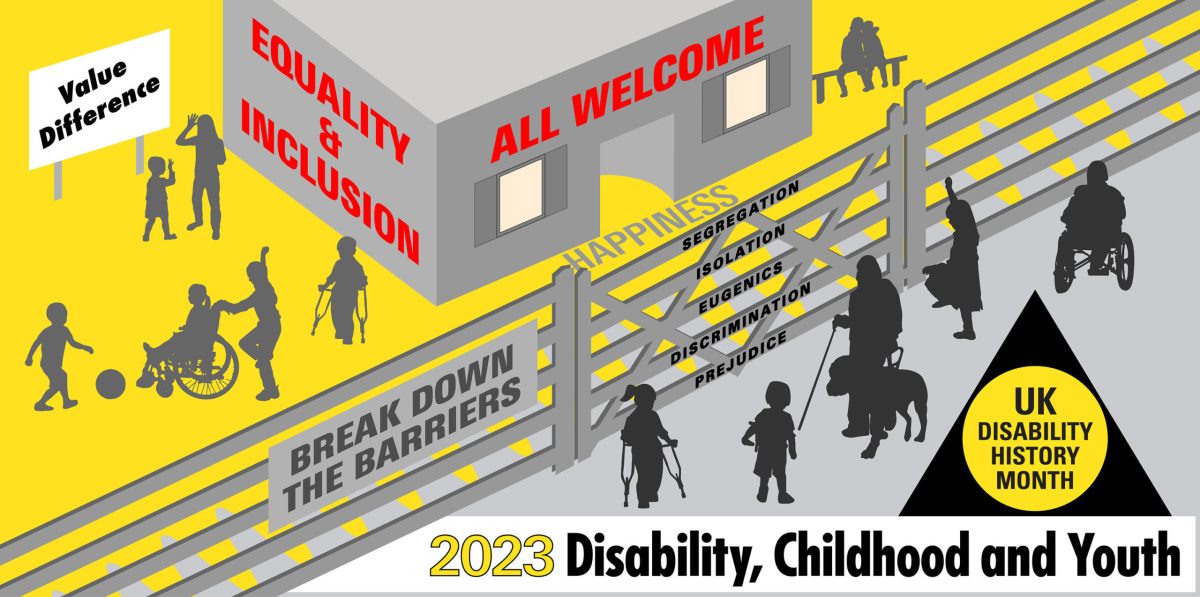
From Thursday 16 November to Saturday 16 December 2023, we will be celebrating UK Disability History Month (UKDHM). This provides a platform for highlighting the struggle disabled people continue to face for equality and human rights.

This year’s UKDHM explores the experiences of disabled children and young people in the past, present, and future. In the UK, there are 16 million disabled people, and 11% of children are disabled. Even though 80% of adults become disabled once they reach working age, some suffer from delayed diagnoses or hidden conditions since childhood.

In recognition of Disability History Month, organisations should reflect on their policies and practices concerning disabled people. Identifying areas for improvement and developing strategies for ensuring the highest quality of care for disabled people can be done by examining the historical context. Involving disabled individuals in decision-making processes, establishing disability-friendly policies, and implementing training programs may be part of this process.

In order to ensure that all children and young people with long term impairments are not subjected to social exclusion due to stigma, stereotypes, negative attitudes, and socially created barriers in the environment and in the way things are organised, Disability History Month draws upon the Social Model/Human Rights approach.

During Disability History Month, disabled individuals are celebrated for their achievements and contributions at work. By celebrating inclusion, stereotypes can be challenged and barriers broken down, leading to a more diverse and equal society.

What can workplace leaders do to better support their disabled staff?

Employee Resource Groups

Staff Disability Networks can play a crucial role in promoting diversity and inclusion in the workplace. Discrimination and inequality in the workplace can be addressed through it as a platform for employee interaction. It is through such networks that a more inclusive and equitable work environment can be created.

Executive sponsors

Executive sponsors can play a crucial role in supporting disability inclusion in the workplace by advocating for, promoting, and implementing policies and practices that enable individuals with disabilities to thrive.

As an executive sponsor, you can have a significant impact on fostering disability inclusion in the workplace. By taking actions such as raising awareness, promoting diversity, supporting employees, and leading by example, you can create a more inclusive and equitable work environment for all employees. Remember that disability inclusion is not just the right thing to do; it is also good for business, as it attracts top talent, enhances employee engagement, and promotes innovation and productivity.

Awareness and Education

1. Educate yourself: Familiarise yourself with disability-related terminology, laws, and regulations.

2. Encourage education and training: Provide opportunities for employees to learn about disability inclusion and accommodations.

3. Promote disability awareness: Organise workshops, conferences, or events to raise awareness about disability inclusion.

Recruitment and Selection

1. Advertise inclusive opportunities: Highlight your commitment to disability inclusion in your job postings and recruitment materials.

2. Encourage diversity: Encourage recruiting managers to consider qualified individuals with disabilities for open positions.

3. Provide accommodations: Offer reasonable adjustments to applicants with disabilities during the recruitment process, such as accessible interview venues or interpreters for interviews.

Employee Support and Accommodations

1. Establish an adjustments process: Develop a formal process to request and provide reasonable workplace adjustments to employees with disabilities.

2. Promote accessible workplace: Ensure that the workplace is physically and technologically accessible, including accessible entrances, elevators, and assistive technology.

3. Provide equal access to benefits: Ensure that individuals with disabilities have equal access to employee benefits, such as training, flexible working and professional development opportunities.

Leadership and Communication

1. Lead by example: Model inclusive behaviour and actively support individuals with disabilities.

2. Include disability in diversity initiatives: Include disability in your overall diversity initiatives, such as employee resource groups or diversity training programs.

3. Actively communicate: Keep employees informed about disability inclusion efforts, policies, and progress.

Collaboration and Engagement

1. Partner with disability organisations: Collaborate with disability organisations, advocacy groups, and individuals with disabilities themselves to gain insights and best practices.

2. Empower employees: Encourage employees with disabilities to share their perspectives and actively participate in decision-making processes.

3. Recognition and rewards: Recognise the contributions of individuals with disabilities and celebrate their achievements.

Time to Act

During UKDHM, leaders should take the opportunity to work with their disabled colleagues and hold up a mirror to the organisation and ask yourself what you are doing to be more inclusive of those with a disability or long term condition.

JD

Unveiling the Layers of Structural Inequality in the UK

Structural inequality is an issue that plagues societies around the world, and the United Kingdom is no exception. Despite being one of the world’s leading economies, the UK continues to grapple with deep-rooted disparities that affect various aspects of people’s lives. This blog post aims to shed light on the structural inequalities present within the UK and the implications they have on individuals and communities.

1. Education Disparities:

Education serves as a crucial pillar for social mobility and equal opportunities. However, structural inequalities within the UK education system contribute to disparities that perpetuate social divisions. Research has shown that students from disadvantaged backgrounds often face limited access to quality education, resulting in lower academic achievement and reduced prospects for future success. This perpetuates a cycle of inequality that is difficult to break.

2. Income and Wealth Inequality:

A significant aspect of structural inequality in the UK revolves around income and wealth disparities. Despite economic growth, the gap between the richest and poorest continues to widen. This inequality is reflected in unequal wages, limited job opportunities, and the concentration of wealth in the hands of a few. The impact of this inequality is felt in various aspects of life, including access to healthcare, housing, and basic necessities.

3. Housing Inequality:

The housing market in the UK has long been plagued by structural inequality. Skyrocketing house prices, limited affordable housing options, and an increasing number of people living in insecure accommodation contribute to a cycle of housing inequality. This disparity disproportionately affects marginalized communities, leading to overcrowding, homelessness, and a lack of stability.

4. Racial and Ethnic Inequality:

Another dimension of structural inequality in the UK is racial and ethnic disparities. Despite being a diverse society, racial and ethnic minorities often face discrimination and unequal treatment in various spheres of life, including employment, healthcare, and the criminal justice system. These inequalities not only hinder social cohesion but also perpetuate systemic barriers that limit opportunities for marginalized communities.

5. Health Inequities:

Health outcomes in the UK are significantly influenced by structural inequalities. Socioeconomic factors such as income, education, and employment opportunities play a crucial role in determining the overall health and well-being of individuals. Research has consistently shown that individuals from lower socioeconomic backgrounds experience poorer health outcomes, including higher rates of chronic diseases and reduced life expectancy.

Addressing structural inequalities at a strategic level

Addressing structural inequality in the UK requires a multifaceted approach that involves policy changes, social awareness, and collective action. By acknowledging and understanding the various dimensions of inequality, we can work towards creating a more equitable society. The fight against structural inequality is not an easy one, but it is a necessary one for building a fairer and more inclusive future for all individuals in the United Kingdom.

Actions that can support reducing structural inequalities

Organisational EDI Strategy

The CIPD recommends a coherent strategy for fostering an inclusive culture that embraces diversity across the organisation. For the strategy to succeed, “it must be supported by organisational values as well as leader and manager behaviour that reflects the importance of EDI”.

Pay Gap Reporting

According to People Magazine, the reporting of pay gaps is one “meaningful way to provide equality data that can be assessed, benchmarked, and used to drive change”.

Law requires organisations with more than 250 employees to report their gender pay gap. This will help an organisation demonstrate a commitment “to tackling pay disparities between men and women by publishing an annual gender pay gap report, which includes an action plan to improve women’s equality and fairness”.

Training and Development

ACAS state that “training, development, and promotion of staff should also consider EDI”. During new staff inductions, organisation should provide EDI training, so everyone is on board with the equality, diversity, and inclusion policy right away. In addition, its good practice to provide training and development for employees and managers so they can access opportunities without prejudice. Training for performance review processes and promotions ensures that no questions arise about an employee’s fit due to their protected characteristic.

Accessible Information

The Office for Disability Issues states that “accessible communication formats (also called alternative formats) is crucial to reaching all your audience”.

By automatically captioning virtual meetings, recording post-events, and adding subtitles to short videos, this can be accomplished. Furthermore, events should advise on speakers, slides, short videos, polls, breakout sessions, and virtual chats, as well as provide prior knowledge about the format of events. On request, the organisation should be able to provide documents in easy-to-read formats and forms in large print. Similarly, an organisations website should reflect this as well, supporting zooming in up to 200% without spilling text off the screen, navigating the website with just a keyboard, using speech recognition software to navigate the website, and using a screen reader to listen to the website. 

JD

Managing neurodiversity in the workplace

According to Harvard HealthNeurodiversity refers to diversity in the human brain and cognition, for instance in sociability, learning, attention, mood, and other mental functions. It provides an inclusive view of cognitive diversity, highlighting the differences at a neuro-biological level while considering the socio-cultural contexts of a human’s lived experience.  

Employers need to be mindful as to how the business set up helps support those with different neurological conditions to create a diverse workforce. This includes:

  • · Understanding the importance of managing neurodiversity at work.
  • · Understanding how to manage neurodiversity at work, and 
  • · Being better able to support those with different neurological conditions. 

In 2021, a Harvard Health report described the idea that people experience and interact with the world around them in many different ways; there is no one “right” way of thinking, learning, and behaving, and differences are not viewed as deficits

The report explains how neurodiversity advocates encourage inclusive, non-judgmental language. While many disability advocacy organizations prefer person-first language (“a person with autism,” “a person with Down syndrome”), some research has found that the majority of the autistic community prefers identity-first language (“an autistic person”).  

Therefore, rather than making assumptions, it is best to ask directly about a person’s preferred language, and how they want to be addressed. Knowledge about neurodiversity and respectful language is also important for clinicians, so they can address the mental and physical health of people with neurodevelopmental differences. 

According to Professor Amanda Kirby, CEO of Do-it Solutions Limited and Campaigner for Neurodiversity, Neurodiversity is the way we think, move, act, communicate and process information. 

She explains, “we are all different. Some people have challenges and strengths associated with conditions such as Attention Deficit Hyperactivity Disorder (ADHD), Dyslexia, Autism, Dyscalculia, Developmental Coordination Disorder/Dyspraxia, Developmental Language Disorder. 

There is not one person or one condition that defines our differences ( or our similarities). We are too often defined by what we can’t do and not by what we can. 

The reality is that some people will gain a diagnosis of Dyslexia, for example, and others diagnosed as having Autism or ADHD. However, who gains a diagnosis often can be a bit of a lottery. It can depend on whether difficulties are identified as a child by a teacher who spots some signs of Dyslexia or Dyspraxia (also known as Developmental Coordination Disorder) or by a parent who knows something about one of these conditions.

It often requires tenacity on the part of the parent or individual and also depends on local waiting lists and service availability. For many people it can be a lengthy and at times costly process in terms of stress. Some people are paying for assessments as an alternative at a high cost. 

For most people the starting position is to understand their challenges and gain some practical strategies to help as soon as possible. By understanding their unique spiky profile, you have a starting point to help to support them to be their best. 

A person-centred approach means that strategies are tailored to EACH PERSON. It also importantly means harnessing strengths, to build confidence, self-esteem and become resilient.” 

Professor Kirby’s research produced an effective guide for employers to making different adjustments for neurodivergent people, where three elements can be easily changed. Take a look at the graphic below and consider what your organisation can do to better understand how to manage neurodiversity at work, and how to support those with different neurological conditions.

I’d love to hear where you are on your journey to becoming an neurodiverse workplace. Let me know in the comments…

June is Pride Month

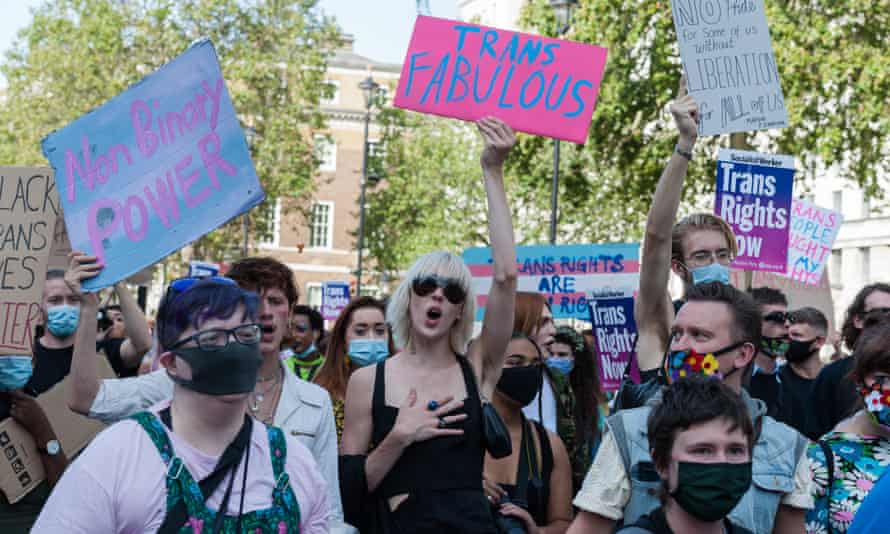
In the UK, June is Pride Month, a month dedicated to celebrating LGBTQ+ communities around the world. This year marks the 50th anniversary of the first Pride march in the UK – a day when hundreds of LGBTQ+ people and their allies arrived in London to protest a society where they were not safe to be themselves.

Organisation’s need to work with the LGBTQ+ community and their own LGBTQ+ employees to ensure an inclusive workplace culture. When better than pride to engage with your LGBTQ+ employees to build inclusion. That said, there is little point flying flags one month a year if you don’t celebrate your LGBTQ+ staff all year round. Take the time to engage with the LGBTQ+ workforce. So, speak to your staff, review your policies for inclusivity, find external trainers to raise awareness around pronouns and look to update your language around gender identity and gender expression to better include the full spectrum of the LGBTQ+ community.

The first UK Gay Pride Rally was held in London on 1 July 1972, a date that was chosen as it was the closest Saturday to the anniversary of the 1969 Stonewall riots in New York City, and around 2,000 people participated.

In London, these brave protesters marched to Trafalgar Square despite fearing for their own safety. But they knew it was important that their voices were heard – and their actions that day paved the way for half a century of progressive societal change for LGBTQ+ people.

The Stonewall riots were important protests that took place in 1969 in the US, that changed gay rights for a lot of people in America and around the world.

Quiz Question – Who is known as ‘The Mother of Pride’ after organising the first ever gay pride march. Answer at the bottom of this article.

In their article celebrating fifty years of gay pride, the Gay Times explains how the first Pride march came about in the UK.

“On 1 July 1972, around 2,000 people marched down Regent’s Street in London in the name of Gay Pride. Up to 40 members of the Gay Liberation Front had organised the protest, hoping it would serve as an antidote to widespread gay shame prevalent throughout the community. Same-sex sexual acts had only been decriminalised in England and Wales five years earlier, so the LGBTQ+ community was still dealing with the trauma they’ve suffered during the decades before. “They were ashamed of their sexuality and gender identity so our counter to gay shame was Gay Pride,” Peter Tatchell – one of the people who organised that 1972 Pride march – explained.”

In 2022, Pride is a celebration of people coming together in love and friendship, to show how far LGBTQ+ rights have come, and how in some places there’s still work to be done.Pride month is about acceptance, equality, celebrating the work of LGBTQ+ people, education in LGBTQ+ history and raising awareness of issues affecting the LGBTQ+ community. It also calls for people to remember how damaging homophobia was and still can be. Pride is all about being proud of who you are no matter who you love.

Since June 28, 1970, Pride events have grown bigger, bolder and well… prouder!

Did you know the answer to our quiz question? The answer is Brenda Howard, an American lady who is recognised as ‘The Mother of Pride’ after she organised the first ever gay pride march.

JD

The Stonewall debate – trans rights versus gender-critical beliefs

In recent months, Stonewall – Europe’s leading LGBTQ Rights organsaition – have found themselves at the centre of some very public controversy regarding trans rights. It doesn’t look like it is going away anytime soon either.

In brief, Stonewall have been accused of shutting down gender-critical beliefs (and subsequent debate over trans rights) as transphobia, subsequently the Government equalities minister (Liz Truss) has urged government departments to withdraw from Stonewall’s flagship Diversity Champions programme.

According to the Guardian the debate centres on trans rights campaigners on one side and gender-critical feminists – who disagree with the view that gender identity should be prioritised over biological sex – on the other.

The debate is a complex one but in recent months critics believe Stonewalls stance on trans rights is over-aggressive and seeks to shut down debate but which the charity and its defenders believe is putting it on the right side of history.

In law, ‘Gender identity or trans status’ are not protected, only ‘gender reassignment’ is protected under the Equality Act 2010. However, Matthew Parris, one of Stonewall’s 14 founders, wrote in the Times that the charity had been “cornered into an extremist stance” on the subject of trans rights. He argued that Stonewall should stay out of the issue, sticking to LGB rights without the T. Whilst the right to change one’s legal gender was established in the UK in the 2004 Gender Recognition Act, it was only six years ago that Stonewall announced that it would work for trans equality and apologised for its past failure to do so.

In recent months, Liz Truss, the equalities minister, urged all government departments to quit the Diversity Champions programme. This was followed by a report that accused Stonewall of giving incorrect advice on equality law. This was further complicated when the Equality and Human Rights Commission (EHRC) quit the Diversity Champions programme in May 2021.

Yet, suggestions emerged that employers were leaving the Diversity Champions programme because of disquiet over its transgender inclusion training. The Telegraph reported that six public-sector organisations had left out of about 850 members listed on Stonewall’s website, although those exits were since 2019 and none had publicly cited the issue of trans rights as motivation for leaving.

Stonewall accused the Equality and Human Rights Commission (EHRC) of defending gender-critical beliefs and suggesting that they are “protected beliefs” under the Equality Act, a position the signatories said was a “kick in the teeth to trans people”.

Prof Kathleen Stock, a professor of philosophy at the University of Sussex who has written a book criticising theories of gender identity, said Stonewall had encouraged a definition of transphobia that was far too wide. “Through its Diversity Champions scheme it’s disseminated this very widespread idea that an attack on the theory – or an attack on the particular interpretation – of identity is an attack on trans people. And that has really made the whole discourse incredibly toxic, given its enormous reach within national institutions,” she said.

In a recent interview with the BBC, Nancy Kelley, head of Stonewall, attracted more criticism by comparing gender-critical beliefs to antisemitism. She said, “With all beliefs, including controversial beliefs, there is a right to express those beliefs publicly and where they’re harmful or damaging – whether it’s antisemitic beliefs, gender-critical beliefs, beliefs about disability – we have legal systems that are put in place for people who are harmed by that.”

Kelley, who said Stonewall believed in freedom of speech but “not without limit”, said the comparison was apt as people were protected on the basis of their gender identity in the same way as people are on the basis of their race.

On the antisemitism comparison made by Kelley, veteran gay rights campaigner Peter Tatchell said. “Those who deny trans people’s existence, misgender them and advocate anti-trans discrimination echo the prejudice of racists and homophobes.”

The question for UK based organisations is do they continue with their association with Stonewall and the Diversity Champions Programme? If your organsaition has a strong stance on supporting trans people will staying with stonewall support that, or does the organsaition risk being dragged into a debate regarding gender-critical beliefs?

JD

Voice, Power, Advocacy and Change – Effective Staff Networks

Staff networks provide a safe and practical space where generating and sharing new ideas, and exchanging information can be expressed in an informal environment. They also provide peer support, networking opportunities and social activities. Their activities can help to open the door to changing the culture of an organisation.

Effective staff networks are self-governed, and their terms of reference, leadership and membership arrangements are determined by their own members. However, these networks should operate with the full support of the organsaition and a framework is recommended so there is clarity, coherence and consistency of approach in the operation of all staff network groups.

Staff networks can be a powerful tool for empowering minority groups to have an effective voice in an organisation. In the context of diversity and inclusion, a minority group is a group of individuals who are known to have been discriminated against on the basis of a shared characteristic. It is worth noting that these groups may not be a minority in terms of numbers as in the case of women, who are a minority group, despite comprising over half of the UK population.

According to Advance H.E. (formally the Equality Challenge Unit), staff networks may not work in every workplace and/or for all minority groups, and their viability and success will depend on the culture and demand within individual organisations.

Networks need to be led by the staff groups that they represent. However, there is a role for institutions to facilitate and support the development of networks:

  • Involve staff and discuss the need for staff networks. This could be linked to specific times of year to maximise impact, for example discussing the possibility of a women’s network on international women’s day. A specific event gives the opportunity to discuss whether it is viable and to look for volunteers to take the network forward.
  • Provide a budget. From refreshment for meetings, to organising specific events or training and development, a budget of any size helps to ensure the network is sustainable and effective.
  • Ensure senior management are open to dialogue. Networks can provide a useful perspective on institutional practice. Consultation should be genuine and views of the network taken seriously.
  • Publicise networks to all staff. A dedicated area on your website/intranet means that all staff are aware of support and opportunities. Promote the networks during staff inductions to maximise membership and ensure all staff are able to benefit.
  • Create a culture of acceptance for participation. It can be intimidating to join a network and there can be a perception that members of networks are ‘troublemakers’.
  • Ensure line managers encourage staff to attend meetings in work hours. Senior management engagement can help to legitimise the group, and positive endorsement can underline that taking part is worthwhile.

Aims and Objectives

1. Sharing experiences and providing advice and support in a confidential safe space

Often a staff network is the opportunity staff members have to discuss the challenges they have faced at work. To meet this aim, it is likely that membership will be limited to people with the particular shared characteristic. Organisations need to carefully consider how, when and where the group will meet, and how to get a balance between giving an opportunity to share personal experiences while retaining momentum and developing positive solutions.

2. Working collectively towards improving institutional policies and practices and implementing change

Networks with this aim can be useful for their members and their institution. They can raise concerns from members, act as a consultation group for policies and practice and help to generate ideas and solutions. However, to be successful and to maintain momentum, the organisation has to listen to the network and genuinely involve them in decision making and policy review.

Terms of Reference

Networks can have a variety of terms of reference, depending on their aims and context. These may also develop over time as the group evolves. The language used in describing and naming networks can also be crucial in their success and who joins.

However you approach staff networks in your organisation it is important to remember that an effective staff network is one that is run by staff for the benefit of staff.

JD

Supporting staff who observe Ramadan 2021

Ramadan 2021

This year, the month of Ramadan will begin on the evening of Tuesday 13th April and end on the evening of Wednesday 12th May 2021.

Ramadan involves a daily period of fasting for Muslims starting at sunrise and finishing at sunset over the month. This means abstaining from food, drink (including water) and smoking. While fasting is an important part of Ramadan, it is also a time of self-reflection and self-evaluation for Muslims.

This year will be very different for staff who are Muslim and observe fasting during Ramadan, as traditionally communal activities and prayer are observed and encouraged. Due to the current Covid-19 crisis, access to prayer facilities, quiet rooms and multi faith rooms internally and externally have been largely suspended. These restrictions may have a negative impact on staff wellbeing during an already difficult period. Line managers should encourage staff to talk to their chaplaincy team for support.

Accommodating religious belief and practices during Ramadan is about being responsive to employee’s needs. It does not necessarily mean extra time off; it is about offering flexibility around existing holiday entitlement, working patterns or break periods. Unlike previous years, this may prove more challenging if resources are reduced due to staff absence from self-isolation and illness.

Similarly, staff should also be aware of the health issues related to fasting, so that they are able to make more informed choices, minimise complications and maximise the benefit of their fast as well as operational effectiveness. Those who are ill with COVID-19 won’t be able to take part in daily fasting, as fasting is not compulsory or advisable for anyone who is ill or has a medical condition.

Frequently asked questions on Ramadan

What is Ramadan?

Ramadan is the 9th month of the Islamic lunar year and is the month of fasting. Fasting is a duty upon all adults and healthy Muslims. In the UK this year Ramadan will start on 13rd April 2021.  This means that no water or food is to be consumed from sunrise to sunset this totals to almost twenty hours per day without food or drink. People that are ill, those that are travelling long distance, pregnant and breast feeding women may be exempt.

One of the main benefits of Ramadan is an increased awareness of God. It is an opportunity for self-purification and reflection and a renewed focus on spirituality; and for compassion for those in need of the necessities of life. Muslims also appreciate the feeling of togetherness shared by family and friends throughout the month. Perhaps the greatest practical benefit is the yearly lesson in self- restraint and discipline that can carry forward to other aspects of a Muslim’s life such as work and education.

Religion and Belief is a protected characteristic of the Equality Act 2010, which means that festivals like Ramadan, as well as Easter, Yom Kippur, Vaisakhi and Diwali, and the other religious days and periods, give us an opportunity not just to support those who observe them, but also to learn and understand more about the people we work with and increase our understanding of the communities we serve.

Fasting, in one form or another, has always been important and often necessary part of religious life, discipline and experience in every faith.  Many of the key fasting considerations transfer to all primary faiths and practices including Christianity and the sacrifices of ‘Lent’ Judaism and fasting during Yom Kippur and Tish’ah B’av.

Working and Ramadan

Working has a great importance and value in Islam.  The importance of lawful earnings is emphasised by numerous instructions of God in the Quran to earn a living through lawful means.

The Prophet Mohammed taught Muslims that one needs to be balanced and harmonised between their worship and work.  Muslims have to remain constant in acts of worship, and also to work hard to earn a living and support their families.  Prophet Mohammed made it clear that being in a position to purchase day to day provisions from one’s own work is actually a commendable act of worship.

Ramadan should not be used as an excuse for not working to one’s usual level of commitment and productivity and it is important to remember one’s obligations to employers.

I manage and/or work with staff that are fasting, what do I need to know?

Fasting in the summer months is combined with disturbances in normal sleep pattern that can leave individuals feeling more tired than normal particularly mid-afternoon and towards the end of the day. Also, towards the latter part of the day some individuals that are fasting might feel a little light headed.

If you have Muslim staff in your department or ward, it may be worth approaching them and allowing them to discuss their needs and the impact this may have on their working patterns.

If it is operationally feasible an agreement to requests for slight adjustments to shift patterns during Ramadan will be appreciated.  For example, many Muslims like to be with their families for the end of the fast therefore may need some flexibility with shift arrangements to enable them to spend this time with their families. To be able to finish early they may prefer to start earlier and/or have a shorter lunch break.

It is very considerate to avoid holding events involving food such as get-togethers which may include food and drink during Ramadan. If it is unavoidable please do not be offended if Muslim staff members are unable to participate in such events. If any training day or a key meeting is unavoidable, any special arrangements for Muslim staff that are fasting will always be greatly appreciated.

It is not necessary for individuals that are not fasting to abstain from eating or drinking in the presence of Muslims that are fasting. However, during the month of Ramadan it would not be appropriate to require a Muslim staff member who is fasting to join you in taking a working lunch for example, or to offer food or drinks

To fast along with Muslim colleagues, even for part of the day, is a good way of enhancing understanding, and can be used as a wonderful way of fundraising for a charitable cause during the month of Ramadan. Ramadan is the month of generosity, giving charity and benevolence.

Many Muslims will endeavour to practice their faith more during Ramadan than they might for the remainder of the year. As a consequence of this more Muslim staff might wish to offer prayers during the day. This will normally be around 1:00 pm and 6:00pm in the summer months for a few minutes each for which the staff member(s) will require a small private area or access to Trust’s chaplaincy facilities for prayer and quiet contemplation.

How do I express best wishes to colleagues and patients?

The appropriate way to express best wishes to a Muslim colleague for Ramadan is to say: “Ramadan Mubarak”

What happens when Ramadan ends?

The end of Ramadan is marked by the festival of Eid-Ul-Fitr for which some Muslim staff members will wish to take leave from work. The actual day that Eid falls on will depend on when the new moon is sighted. For this reason it might not be possible for the staff member to be very specific about the day he/she would like to be away from work and therefore some flexibility may be necessary.

There are different schools of thought who may celebrate Eid on different days depending on which school of thought they follow. This year Eid may fall on 13th  May or 14th May depending on the sighting of the moon, therefore Eid can be celebrated on either days.

Please try to accommodate any requests for annual leave during this time.

The appropriate way to express best wishes to a Muslim colleague for Eid is to say: “Eid Mubarak”

JD

 

#BlackLivesMatter

In relation to the tragic events of May 25th in Minnesota, I support the black community at this difficult time and remain committed to using my voice to effect real change. It should not take a video of a man being killed and thousands of people in the street for us to pay attention.

I am inspired by the strength and character of the black community in the face of these senseless tragedies and am committed to standing up for what is right and not just standing by.  Shallow, tokenistic commitment is worse than silence. If you are interested in racism only when it is trending, keep your solidarity to yourself.

I encourage all the community, where you see racism and racist behaviour then call it out, challenge it and if it’s in the workplace tell someone. Silence is no longer an option and we will step up for our black colleagues, now more than ever.

If you are not Black, please remember your voice is needed right now—being anti-racist means speaking up, being an ally and challenging the injustices that may not directly affect you. Stand up, make noise about the events happening right now, educate family and friends and continue to push for change. Recognising white privilege has become a major focus in building a fairer society, but we also need to recognise the privilege of living in the west.

Now is not the time to be silent, neither is it the time to jump on a bandwagon. It’s a time for real reflection and care with regards  standing by the black community at this time and move forward with real steps to end racism and injustice. Racism can only be addressed together, we can not afford to stand on the sidelines making excuses.

Let’s unite to confront and stop the spread of race-related hatred, violence and systemic injustice.

As, Kehinde Andrews, writing for the Guardian, says “It is time to radically rethink society to make it value black life. History tells us that the oppressed won’t wait for ever. It is time to get on the bus or get out of the way. ”

Black lives matter.

No individual can solve the deeply embedded issue of racism but if you want to see real change then you must be that change, don’t wait another second for others to lead you. Be the change you want to see, challenge your community, challenge your workplace to be better. With racism so deeply rooted in our social order, there can be no quick fixes – but here are some steps you can take in the workplace.

  1. Be clear and concise-we’re talking about Black issues

Make it clear we are talking about Black issues, not “people of colour.” This is not the time for digressing or diluting the issue for non-Black comfort. There is no place for this—ever. Step up in a direct and empathetic way.

  1. Talk about this, openly

Make it clear why this is a crucial conversation to have. Do not post in Black/race-focused groups only. This is relevant for everyone. Talk about systemic racism, sharing links to Black-driven research, making it clear this is a structural issue we all must address.

  1. Create a safe space for colleagues to vent, and be open, if they want to be

Violence on Black colleagues is not an anomaly—people are emotionally scared and physically exhausted. As we’re all mostly working remotely, this may mean having open-diary slots with managers or creating an open space on your communication platform for folks to talk if they want to.

  1. Signpost mental health support

Talking to colleagues isn’t enough. People need to know what professional mental health support is available to them and how to access it as soon as possible.

  1. Managers must step up

Ensure managers are giving space to Black colleagues in particular, right now. Managers play a huge role in supporting people with everything happening in society—empathy is key. What affects or doesn’t affect you does not necessarily map to everyone else.

  1. Do not centre yourself

Do not focus on yourself in these conversations. If you are not Black, your pain and hurt is not the priority right now. This may be an anomaly for you—it is not an anomaly for Black colleagues who live this life, every day.

  1. Senior leaders must step up, especially if they are white or non-Black

Senior leadership must actively speak about this, whether they are uncomfortable or not. Their privilege must be used to make a difference. They should also signpost resources / donation links. They have a responsibility to show up for everyone. Keep in mind, most in leadership are white or non-Black, therefore their role as allies are important. They have the privilege of being listened to. They must amplify, learn and talk to their fellow white and non-Black colleagues to invoke real change.

  1. Analyse your data

Remember that one post doesn’t fix systemic racism. Highlight your compulsory anti-racism training (not opt-in, which is not useful). Gather our data across different protected characteristics to allow for analysis of bias in hiring, probation and promotion processes. Use this data to challenge our processes. If Black colleagues aren’t being treated in the same way as others, share this transparently and spend time creating an action plan to challenge.

  1. Do not add emotional/educational labour to Black colleagues

Every single person is different. That means people are processing this in many ways right now. Please make sure you’re not forcing Black colleagues to engage. This is emotionally/physically exhausting. If they want to, that is fine. If not, that is also fine. There is no onus on them to educate us.

JD