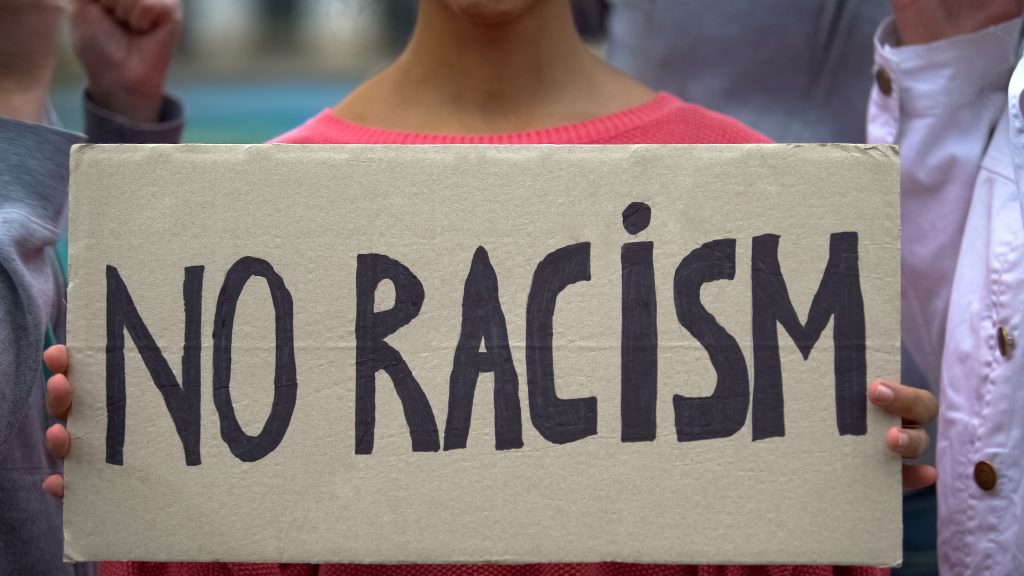
In relation to the tragic events of May 25th in Minnesota, I support the black community at this difficult time and remain committed to using my voice to effect real change. It should not take a video of a man being killed and thousands of people in the street for us to pay attention.
I am inspired by the strength and character of the black community in the face of these senseless tragedies and am committed to standing up for what is right and not just standing by. Shallow, tokenistic commitment is worse than silence. If you are interested in racism only when it is trending, keep your solidarity to yourself.
I encourage all the community, where you see racism and racist behaviour then call it out, challenge it and if it’s in the workplace tell someone. Silence is no longer an option and we will step up for our black colleagues, now more than ever.
If you are not Black, please remember your voice is needed right now—being anti-racist means speaking up, being an ally and challenging the injustices that may not directly affect you. Stand up, make noise about the events happening right now, educate family and friends and continue to push for change. Recognising white privilege has become a major focus in building a fairer society, but we also need to recognise the privilege of living in the west.
Now is not the time to be silent, neither is it the time to jump on a bandwagon. It’s a time for real reflection and care with regards standing by the black community at this time and move forward with real steps to end racism and injustice. Racism can only be addressed together, we can not afford to stand on the sidelines making excuses.
Let’s unite to confront and stop the spread of race-related hatred, violence and systemic injustice.
As, Kehinde Andrews, writing for the Guardian, says “It is time to radically rethink society to make it value black life. History tells us that the oppressed won’t wait for ever. It is time to get on the bus or get out of the way. ”
Black lives matter.
No individual can solve the deeply embedded issue of racism but if you want to see real change then you must be that change, don’t wait another second for others to lead you. Be the change you want to see, challenge your community, challenge your workplace to be better. With racism so deeply rooted in our social order, there can be no quick fixes – but here are some steps you can take in the workplace.
- Be clear and concise-we’re talking about Black issues
Make it clear we are talking about Black issues, not “people of colour.” This is not the time for digressing or diluting the issue for non-Black comfort. There is no place for this—ever. Step up in a direct and empathetic way.
- Talk about this, openly
Make it clear why this is a crucial conversation to have. Do not post in Black/race-focused groups only. This is relevant for everyone. Talk about systemic racism, sharing links to Black-driven research, making it clear this is a structural issue we all must address.
- Create a safe space for colleagues to vent, and be open, if they want to be
Violence on Black colleagues is not an anomaly—people are emotionally scared and physically exhausted. As we’re all mostly working remotely, this may mean having open-diary slots with managers or creating an open space on your communication platform for folks to talk if they want to.
- Signpost mental health support
Talking to colleagues isn’t enough. People need to know what professional mental health support is available to them and how to access it as soon as possible.
- Managers must step up
Ensure managers are giving space to Black colleagues in particular, right now. Managers play a huge role in supporting people with everything happening in society—empathy is key. What affects or doesn’t affect you does not necessarily map to everyone else.
- Do not centre yourself
Do not focus on yourself in these conversations. If you are not Black, your pain and hurt is not the priority right now. This may be an anomaly for you—it is not an anomaly for Black colleagues who live this life, every day.
- Senior leaders must step up, especially if they are white or non-Black
Senior leadership must actively speak about this, whether they are uncomfortable or not. Their privilege must be used to make a difference. They should also signpost resources / donation links. They have a responsibility to show up for everyone. Keep in mind, most in leadership are white or non-Black, therefore their role as allies are important. They have the privilege of being listened to. They must amplify, learn and talk to their fellow white and non-Black colleagues to invoke real change.
- Analyse your data
Remember that one post doesn’t fix systemic racism. Highlight your compulsory anti-racism training (not opt-in, which is not useful). Gather our data across different protected characteristics to allow for analysis of bias in hiring, probation and promotion processes. Use this data to challenge our processes. If Black colleagues aren’t being treated in the same way as others, share this transparently and spend time creating an action plan to challenge.
- Do not add emotional/educational labour to Black colleagues
Every single person is different. That means people are processing this in many ways right now. Please make sure you’re not forcing Black colleagues to engage. This is emotionally/physically exhausting. If they want to, that is fine. If not, that is also fine. There is no onus on them to educate us.
JD








 The Equality Blog