
Best practice in delivering better equality, diversity and inclusion outcomes is always evolving. There may be new ways of thinking which brings about new practice. On the other hand, evolution need not be so dramatic. Instead, there may better-informed practice and ways of doing things. Either way, as ED&I professionals we are constantly on the lookout for better ways to do we do what we do.
ED&I professionals often see things through a different lens. As such we are aware of how some protected characteristics link to personal trauma. Yet, the very concept of trauma is often lost on wider organisational colleagues.
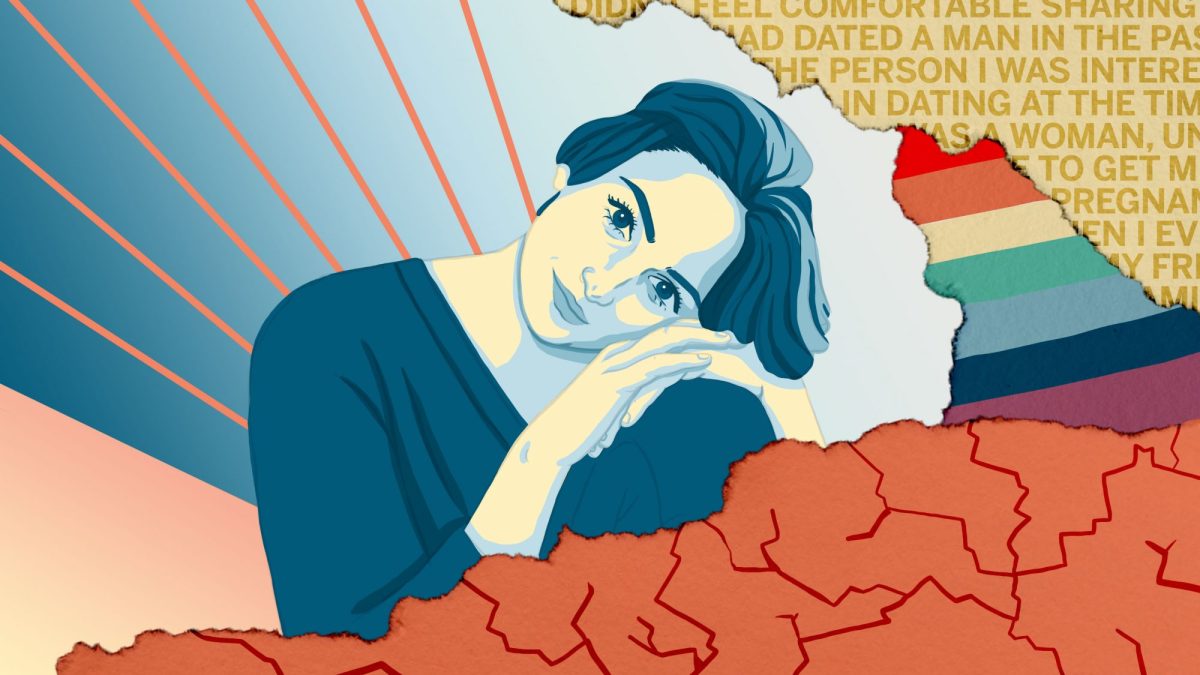
Staff with protected characteristics are often at increased risk of exposure to trauma. Be that in their childhoods, personal lives, or professional lives. This is because they are often exposed to prejudice, discrimination, and endemic injustices. Certainly, in a way which more privileged groups in society are not.
Similarly, it is more likely trauma is passed down to individuals by their relatives and ancestors. Examples of this might be the trauma of intergenerational racism. It might be misogyny and sexism, and other forms of hate and oppression. Either way, we know these have hindered our societies and communities for generations. The impact of which is many people are born with “inherited trauma”. They must grapple with this throughout their lives.
Anyone who works in ED&I field in the UK will have an understanding of the legislation to which we work. The Equality Act, 2010, the Human Rights Act, 1998 and the Public Sector Equality Duty. It’s fair to say that organisations have moved beyond compliance with legislation. Instead, they are working towards true workplace equity. To that end, a better awareness of trauma and its links to ED&I is likely the next evolution in ED&I best practice. Certainly, it will improve what ED&I does to enhance fairness, inclusion, and respect for all staff.
In the context of ED&I, trauma is psychological, emotional or psycho-biological. It has a key role to play in the achievement of inclusive workplace cultures. Like most ED&I endeavours, collaboration with wider organisational teams is necessary. That is if you want to see an EDI-focus to the development of a trauma-informed organisation. Involving colleagues from health and wellbeing, organisational development as well as strategic planning.
Trauma is a very personal experience. This is where lived experience can support organisations to improve their understanding. If we are to develop trauma informed workplace cultures, then we have one key priority. Ensuring organisations hear the voice of colleagues from protected groups during the process. Hearing these voices during the development process will empower staff. It will allow them to contribute to the future of the organsaition. More importantly, contribute to organisational change that’s designed to improve their workplace experience. As with any organisational change, key stakeholders must be a part of the process. Where there are no seats around the table for those with lived experience, then you need a bigger table. A solution for organisations to be better informed is through ‘Lived Experience Leads’. Thereby ensuring planning and development has contributions from those with lived experience.
That said, ED&I practice is not free from its critics. Trauma informed debate will attract those who want to shut down the conversation. In fact, in our new ways of talking, they would seek to cancel the conversation. Those who work in the ED&I sector will be well aware of accusations of being ‘Woke’ or of ‘Wokism’. It’s odd, in Britain we hold this image of ourselves as being a more liberal society. When in fact the evidence suggests we are living in more intolerant times.
I am paraphrasing Dean Royals here (take a look at his excellent blog post addressing the subject of intolerance – Tolerance in an Intolerant World). For many, we are in culture where they feel obliged to tiptoe around complex issues. They fear offending or being – in the new parlance – cancelled. There is an intolerance to debate and yet if someone disagrees then they are seen as intolerant. This intolerance is driving friends, families and colleagues apart. It is hurtful and damaging. The undeniable truth is trauma brought about by being a member of some protected group is very real. I am reminded of the examples of trauma though intergenerational racism. Or where misogyny and sexism, as well as other forms of hate and oppression have affected people.
Being trauma informed will better support a motivated, included, and valued workforce. One where staff from all backgrounds have equal access to career opportunities. As well as receive fair treatment in the workplace. It might even help build a more tolerant society. After all, that’s what we, as ED&I professionals, strive towards.
JD
 The Equality Blog