
Challenging Workplace Racism

It’s sad that in 2020 racism in the workplace is still a very real thing. Whether it is appointing managers or promotion panels subconsciously overlooking black, Asian and minority ethnic (BAME) candidates, or the occurrence of overt instances of discrimination and harassment on the office/shop floor, it’s undeniable that there is still a lot of work to be done on this front.

While nearly all companies have legally binding anti-discrimination policies set up, and governments have issued directives and legislation to try and eradicate this issue, it’s still worth taking the time to highlight the cases where things have gone – or are going – terribly wrong. With that in mind, here are four signs that racism may be an issue in your workplace:

1. STEREOTYPING

Managers must look out for examples of stereotyping in the workplace, which can provide the basis for racial discrimination to occur. Often based on misconceptions and incomplete information, stereotyping is particularly harmful as it portrays false generalisations, and attributes the same characteristics to all members of a group, ignoring the receivers of racism as individuals in their own right.

Be wary of the language used, and topics discussed, by colleagues. Are terms like “they” and “us” “your lot” used often to create a divide? Also, are workers making derogatory comments about elements of a person’s culture or customs?

2. HOSTILITY

Whether it is a black woman who is informed that she is too aggressive, a Muslim man criticised for not drinking during social events or an Indian immigrant/Eastern European mocked for their accent, managers should be able to spot unfair criticism and hostility towards BAME persons.

Victims of racism in the workplace can be subject to accusations of being out-of-place, and not fitting in the office/workplace culture. Moreover, BAME people tend to find that normal differences of opinion or failing to get along with a co-worker may be treated as more serious due to the hostility held towards them in a racially charged work environment.

3. OVERCRITICAL

With the increasing pressures of the modern time-poor, stress-rich business world, criticisms of employee performance from team leaders and peers is common.

Managers must be mindful, however, of how fair the criticism is to all staff, particularly minority groups, reacting quickly to criticisms that go a step too far. Victims of racial discrimination at work have reported being vilified for doing their work.

4. CONSISTENTLY OVERLOOKED

The “glass ceiling” is a prolonged issue that ties together all the previous points, and results in many talented, ambitious and well-educated BAME men and women failing to gain jobs, promotions or salary boosts, compared to their white counterparts.

But when the opportunities do finally arise, victims of racism note that their authority is constantly challenged and undermined by those both above and below them on the career ladder.

Thanks to Equality and Diversity UK for these signs on how to identify if racism may be an issue in your workplace.

JD
Being Conscious About Our Unconscious Biases

What is Unconscious Bias

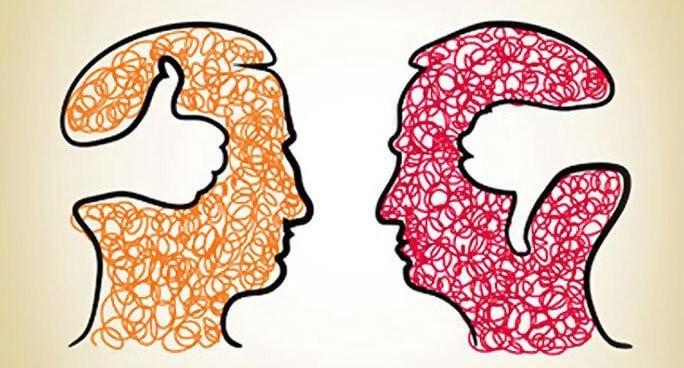
The term ‘cognitive bias’ was coined by Amos Tversky and Daniel Kahneman in 1972 which quite simply means “our tendency to filter information, process facts and arrive at judgements based on our past experiences, likes/dislikes and automatic influences.”

How do these biases show up in Leadership?

A lot of leadership is about taking decisions involving group of people. Instinctive leaders often tend to decide quickly based on limited information or experience they have at hand. The result is that they end up taking wrong decisions (which may have worked for them in past but may not work in a different context), or discriminating with people of a certain colour, race, sex or nationality based on their past experiences with similar people. At work, biases (or the perception of bias) is the biggest contributor to people disengagement and cost of disengagement is huge. Lack of critical thinking also leads to short-termism where decisions are taken for immediate gains and solutions of today become thorny problems of tomorrow.

Some Ways to Deal with Unconscious Bias

Get Conscious. Be more aware about unconscious cognitive biases. Knowing that they exist is the first important step to tackling them. And they exist in plenty. Here is a list of all unconscious biases and what they really mean.
Ask questions, often. When considering a decision, ask questions that elicit understanding and clarify details. When you ask questions, you extend an opportunity to others to really express them. You are extending an opportunity to yourself to understand their thinking more closely. Encourage a culture where asking questions is valued.

Look for Patterns. Data over a period of time reveals patterns. Looking for patterns from the results of past decision can lead to important insights and learning. Sometimes data can blind us unless we learn to look at the pattern and story behind the data.

Look for the contrary. It helps playing a devil’s advocate and taking a contrarian view of things. It not only challenges others to think harder but also helps you in really understanding if they are just defending their own biases.

Embrace Diversity. This starts with hiring decisions. Don’t hire people whose beliefs are compliant with yours. You will tap into diverse ideas and viewpoints only when you have people with diverse thinking patterns on your team.

Attend to data and evidences. When you ask your people to bring data, evidences and trends, it does not mean lack of trust. It only means that you are intentional about serving them better by taking the right decisions.

Communicate clearly. Clear and accurate communication is a leader’s tool #1. Avoid using generic terms to describe people, situations and things. Biases are most commonly visible in how a leader communicates. Being mindful about our words is critical to thinking and communicating objectively.

Unconcious Bias Poster 1

Thanks go to Tanmay Vora for this excellent and concise explanation of what ‘unconscious bias’ is and how we can combat it in the workplace.

JD

Building  Inclusive Workplaces

The Chartered Institute of Personnel and Development (CIPD) explain that true inclusion is created by embedding inclusive practices and values into the organisation’s way of doing things. Whilst inclusion can’t be the sole responsibility of the people profession, people professionals nonetheless have a key role to play. They can support employees, line managers and senior leaders to build inclusive behaviours and values, ensure policies and practices are inclusive, and challenge organisational values and behaviours that don’t actively promote inclusion. Importantly, any action should be guided by organisational data and carefully evaluated – further research needs to test the most effective ways to build inclusion.

Explore the areas where you can take action to build inclusion.

  1. Involve all employees in inclusion

All employees need to understand their role in building inclusive workplaces. This involves employers setting clear standards of behaviour for inclusion, treating all colleagues with dignity and respect, and empowering employees to challenge exclusionary behaviour.

What you can do:

  • Make inclusion relevant to people at all levels of the business; what does inclusion mean in their job role and what they can do to be more inclusive?
  • Work with employee resource groups to highlight employees’ roles in inclusion, promoting alliance.
  1. Develop line manager capability

Managers are key in inclusion. The relationship they have with employees, and how they carry out people management practices and policies, will impact employees’ opportunities and experiences of work.

Treating all employees with respect, supporting their development and ensuring they’ve a say in the workplace is core for any manager. Managers need to ensure there’s a level playing field for their team, and support employee’s individual needs. However, bias can play a role in the opportunities that individuals are given at work – given our preferences for people ‘like us’.

What you can do:

  • Examine progression and hiring data to ensure that there’s a level playing field and address any bias.
  • Embed inclusion in line manager training and development – for example, raise awareness of issues relating to inclusion and empower managers to carry out people management practices effectively.
  1. Build senior commitment to inclusion

Many senior leaders are line managers themselves; they set the tone for the behaviour that’s expected in the business. And, with a drive towards increasing diversity on boards, attention must also be paid to how inclusive the boardroom is. People professionals should work with senior leaders to embed inclusion into the organisation’s way of doing things, highlighting the importance of their advocacy and buy in.

Senior leaders need to:

  • actively champion and sponsor inclusion activities
  • develop self-awareness and understand their own biases
  • role-model inclusive behaviour in their own people management, and in their own leadership team.
  1. Evaluate policies and practices

A two-step approach is needed to put in place people management practices and policies to support inclusion:

Consider the formal and informal mechanisms that can be improved to enhance inclusion for all employees. For example, ensure that there are clear mechanisms for feedback that allow employees to feel like they have a ‘say’ in the organisation.

Create specific policies and practices that support particular groups or individual needs. For example, make sure there are clear policies in place to support individual needs; these need to be implemented by managers and backed up by a supportive workplace environment.

Consider how you can:

  • embed inclusion into wider people management practices
  • communicate the policies in place that support inclusion
  • use organisational data to review policies and practices.
  1. Examine organisational culture, climate and values

Creating an inclusive climate and culture requires fair policies and practices, recognising and valuing difference, and including all employees in decision-making processes. Senior commitment in the form of real advocacy and buy-in is important in creating a truly inclusive organisation. In some cases, organisations might need to evaluate their own norms and values.

What you can do:

  • Work with employees throughout the business to understand current norms and values; is ‘difference’ seen as positive or negative, and do employees understand their role in inclusion?
  • Evaluate people practices through an inclusion ‘lens’ – do practices and policies align with inclusion?
  • Ensure that senior leaders support inclusion, and, importantly, role-model inclusive behaviour and value difference, rather than distrust it.

For further guidance on building inclusive workplaces check out this CIPD report on Building  Inclusive Workplaces (Sept 2019)

JD

Think Outside the Box – Leading Diversity & Inclusion in the Workplace

Diversity & Inclusion Book Cover

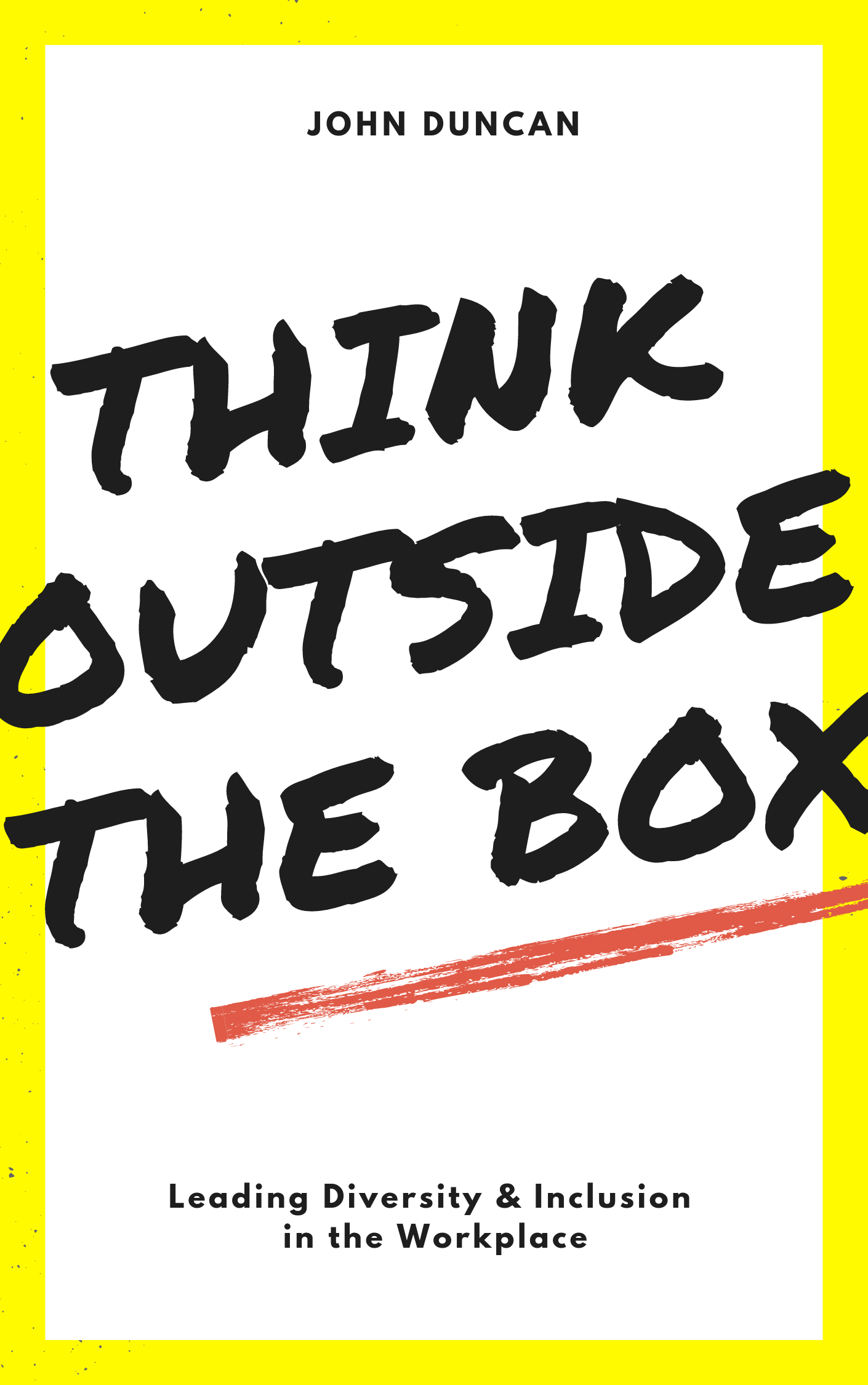
I am delighted to announce that following on from my previous book ‘Leading Equality, Diversity & Inclusion – A Practical Guide for Managers’,  my new book ‘Think Outside The Box – Leading Diversity & Inclusion in the Workplace’ is now available as a hard copy,  paperback book on amazon.co.uk.

The origins of this book come directly from this very blog and I will be sharing aspects of the book over the coming weeks. However, in the meantime, if you are involved with workplace diversity and inclusion then please take a look at the book; it has a range of proven strategies that will help build an inclusive culture in your workplace.

The books blurb goes something like this. ‘In practise, equality, diversity and inclusion can sometimes be perceived – quite inaccurately – as political correctness or an exercise in government ‘box ticking’. Yet, in recent years, organisations have become increasingly aware of the business case for being a fully inclusive workplace, where employees feel valued, opportunities are available for all and diversity is celebrated.

In this case, diversity and inclusion initiatives become less about compliance with legislation and more about leading change, improvement initiatives, engaging, motivating and improving the potential of staff.

‘Think Outside The Box – Leading Diversity & Inclusion in the Workplace’ provides an up-to-date source of diversity and inclusion best practice for workplace leaders and gets to the heart of the diversity issues facing the UK workforce with clear strategies and practical guidance to creating a fully inclusive workplace.

Author – John Duncan – is a Diversity and Inclusion specialist leading on strategy and policy development with over 15 years substantial experience of providing advice, support and training within the public sector. ‘

JD