

Celebrate Disability Pride: Enhancing Inclusion Year-Round

Is your organisation waving a flag during Disability Pride Month in July? Creating an inclusive workplace should not just be an annual event; it’s a year-round moral and strategic imperative.

Is your organisation waving a flag during Disability Pride Month in July? Creating an inclusive workplace should not just be an annual event; it’s a year-round moral and strategic imperative. Improving the experience of disabled staff fosters a culture of belonging, enhances employee well-being, and drives innovation through diverse perspectives. Here are some actionable steps organisations can take to ensure disabled employees thrive.

1. Foster a Culture of Inclusion

  • Leadership Commitment: Senior leaders must visibly champion disability inclusion, setting the tone for the entire organisation.
  • Awareness Campaigns: Celebrate initiatives like Disability Pride Month to educate staff and challenge stigmas.
  • Employee Networks: Support disability-focused employee resource groups to provide peer support and advocacy.

2. Create Accessible Work Environments

  • Physical Accessibility: Ensure offices, meeting rooms, and communal spaces are wheelchair-friendly and equipped with assistive technologies.
  • Digital Accessibility: Utilise accessible software and tools to ensure compatibility with screen readers and other assistive devices.
  • Flexible Working: Offer remote work options and adaptable schedules to accommodate diverse needs.

3. Provide Tailored Support

  • Individual Needs Assessments: Conduct personalised workplace assessments to identify and provide necessary adjustments, such as ergonomic equipment or modified duties.
  • Mental Health Resources: Offer counselling and mental health support tailored to the unique challenges disabled employees may face.
  • Mentorship Programmes: Pair disabled staff with mentors who understand their experiences and can provide guidance.

4. Invest in Training and Development

  • Disability Awareness Training: Equip all staff with the knowledge to foster respectful and inclusive interactions.
  • Unconscious Bias Workshops: Address implicit biases that may affect decision-making in recruitment, promotions, and daily interactions.
  • Leadership Training: Prepare managers to support team members with disabilities and effectively implement inclusive practices.

5. Encourage Open Communication

  • Feedback Mechanisms: Establish safe channels for staff with disabilities to share their experiences and suggest improvements.
  • Regular Check-ins: Managers should regularly discuss well-being and accessibility needs with their team members.
  • Transparent Policies: Communicate policies on reasonable adjustments and reporting discrimination.

6. Celebrate and Amplify Voices

  • Showcase Success Stories: Highlight the achievements of employees with disabilities to inspire and educate others.
  • Collaborate with Advocacy Groups: Partner with disability organisations to stay informed about best practices and emerging needs.
  • Inclusive Events: Host talks, workshops, and cultural events that centre the voices and experiences of disabled individuals.

Why it matters

Organisations that prioritise disability inclusion benefit from increased employee satisfaction, improved retention, and a stronger reputation as an employer of choice. Moreover, diverse teams are more innovative and better equipped to meet the needs of a diverse customer base.

A Call to Action

Improving the experience of disabled staff is an ongoing journey that requires commitment, collaboration, and continuous learning. By taking deliberate steps to foster an inclusive workplace, UK organisations can not only comply with legal standards but also lead the way in creating environments where everyone can thrive.

Let’s work together to build workplaces that reflect the values of equity, respect, and empowerment—not just during Disability Pride Month, but every day.

JD
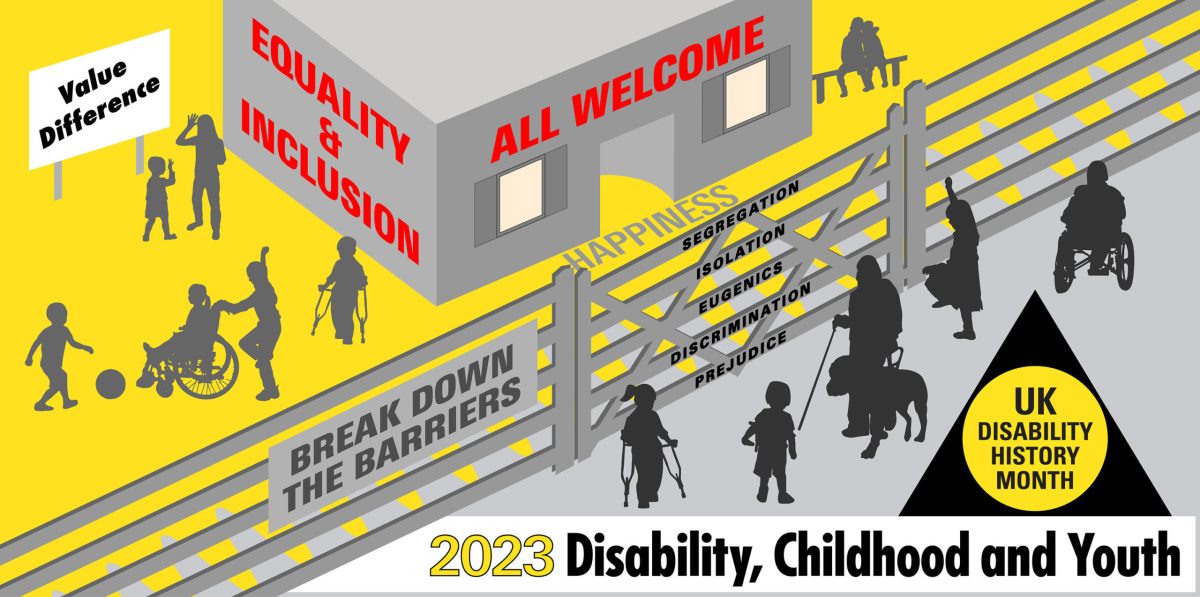
Celebrating UK Disability History Month (UKDHM)

From Thursday 16 November to Saturday 16 December 2023, we will be celebrating UK Disability History Month (UKDHM). This provides a platform for highlighting the struggle disabled people continue to face for equality and human rights.

This year’s UKDHM explores the experiences of disabled children and young people in the past, present, and future. In the UK, there are 16 million disabled people, and 11% of children are disabled. Even though 80% of adults become disabled once they reach working age, some suffer from delayed diagnoses or hidden conditions since childhood.

In recognition of Disability History Month, organisations should reflect on their policies and practices concerning disabled people. Identifying areas for improvement and developing strategies for ensuring the highest quality of care for disabled people can be done by examining the historical context. Involving disabled individuals in decision-making processes, establishing disability-friendly policies, and implementing training programs may be part of this process.

In order to ensure that all children and young people with long term impairments are not subjected to social exclusion due to stigma, stereotypes, negative attitudes, and socially created barriers in the environment and in the way things are organised, Disability History Month draws upon the Social Model/Human Rights approach.

During Disability History Month, disabled individuals are celebrated for their achievements and contributions at work. By celebrating inclusion, stereotypes can be challenged and barriers broken down, leading to a more diverse and equal society.

What can workplace leaders do to better support their disabled staff?

Employee Resource Groups

Staff Disability Networks can play a crucial role in promoting diversity and inclusion in the workplace. Discrimination and inequality in the workplace can be addressed through it as a platform for employee interaction. It is through such networks that a more inclusive and equitable work environment can be created.

Executive sponsors

Executive sponsors can play a crucial role in supporting disability inclusion in the workplace by advocating for, promoting, and implementing policies and practices that enable individuals with disabilities to thrive.

As an executive sponsor, you can have a significant impact on fostering disability inclusion in the workplace. By taking actions such as raising awareness, promoting diversity, supporting employees, and leading by example, you can create a more inclusive and equitable work environment for all employees. Remember that disability inclusion is not just the right thing to do; it is also good for business, as it attracts top talent, enhances employee engagement, and promotes innovation and productivity.

Awareness and Education

1. Educate yourself: Familiarise yourself with disability-related terminology, laws, and regulations.

2. Encourage education and training: Provide opportunities for employees to learn about disability inclusion and accommodations.

3. Promote disability awareness: Organise workshops, conferences, or events to raise awareness about disability inclusion.

Recruitment and Selection

1. Advertise inclusive opportunities: Highlight your commitment to disability inclusion in your job postings and recruitment materials.

2. Encourage diversity: Encourage recruiting managers to consider qualified individuals with disabilities for open positions.

3. Provide accommodations: Offer reasonable adjustments to applicants with disabilities during the recruitment process, such as accessible interview venues or interpreters for interviews.

Employee Support and Accommodations

1. Establish an adjustments process: Develop a formal process to request and provide reasonable workplace adjustments to employees with disabilities.

2. Promote accessible workplace: Ensure that the workplace is physically and technologically accessible, including accessible entrances, elevators, and assistive technology.

3. Provide equal access to benefits: Ensure that individuals with disabilities have equal access to employee benefits, such as training, flexible working and professional development opportunities.

Leadership and Communication

1. Lead by example: Model inclusive behaviour and actively support individuals with disabilities.

2. Include disability in diversity initiatives: Include disability in your overall diversity initiatives, such as employee resource groups or diversity training programs.

3. Actively communicate: Keep employees informed about disability inclusion efforts, policies, and progress.

Collaboration and Engagement

1. Partner with disability organisations: Collaborate with disability organisations, advocacy groups, and individuals with disabilities themselves to gain insights and best practices.

2. Empower employees: Encourage employees with disabilities to share their perspectives and actively participate in decision-making processes.

3. Recognition and rewards: Recognise the contributions of individuals with disabilities and celebrate their achievements.

Time to Act

During UKDHM, leaders should take the opportunity to work with their disabled colleagues and hold up a mirror to the organisation and ask yourself what you are doing to be more inclusive of those with a disability or long term condition.

JD

Advancing Equality for Disabled Staff – Learning from the NHS

Workplace equality and diversity initiatives have grown in recent years and have focused on a range of protected characteristics identified in the Equality Act 2010. However, much of that focus has been on Race, Sexual Orientation, Gender Reassignment and Religion. Yet, disability affects almost one if five of the UK population and statistically disabled people are more likely to be unemployed or economically inactive.

Primarily, the Equality Act 2010 should focus our work on advancing equality of opportunity between people who share a protected characteristic and people who do not share it as well as fostering good relations between people who share a protected characteristic and people who do not share it.

Disability is still often misunderstood, especially in the case of mental health, and getting a better understanding of the lived experiences of our disabled staff must be a priority for employers. Only by having this understanding and input from staff can we actually advance equality of opportunity for disabled staff in the work place. Furthermore, by raising awareness of disability issues we can encourage organisational wide discussion and foster good relations between people with a disability and those without.

Some facts about disabilities in the UK:

  • There are around 13.3 million disabled people in the UK (almost one in five of the population).
  • 5 million disabled people are in employment, compared to 2.9 million in 2013.
  • In January 2016, the UK employment rate among working age disabled people was 46.5% (4.1 million), compared to 84% of non-disabled people.
  • Disabled adults are nearly three times as likely as non-disabled adults to have no formal qualifications, 30% and 11% respectively.
  • The average income of families with disabled children is £15,270, which is 23.5% below the UK mean income of £19,968. 21.8% have incomes that are less than 50% the UK mean.

NHS England launches the Workforce Disability Standard (WDES)

The NHS has recently launched the Workforce Disability Equality Standard (WDES) which is a set of ten specific measures (metrics) that will enable NHS organisations to compare the experiences of Disabled and non-disabled staff. This information will then be used by the relevant NHS organisation to develop a local action plan, and enable them to demonstrate progress against the indicators of disability equality.

Making a difference for disabled staff

The NHS employs close to 1.5 million people and so initiatives such as WDES are vital to better understand the experiences of their disabled staff. It will support positive change for existing employees, and enable a more inclusive environment for disabled people working in the NHS. Likewise, it will help identify good practice and compare performance regionally and by type of trust.

What can other sectors learn from the NHS Workforce Disability Equality Standard?

Large organisations need a snapshot of the experiences of their disabled staff in key areas. By providing comparative data between disabled and non-disabled staff, this information can be used to understand where key differences lie; and will provide the basis for the development of action plans, enabling organisations to track progress on a year by year basis. This provides a mirror for the organisation to hold up to itself, to see whether or not it sees a reflection of the communities that it serves.

JD