
February 2021 is LGBT+ history month

February is LGBT+ history month! It was founded by Schools Out in 2005 as a celebration of LGBT+ history and to ensure that children were receiving this education in school where so often they were not. The theme for this year is ‘Body, Mind and Spirit’.

This time of year takes us back to 1988 when Section 28 was made law, which prevented teachers talking about same sex relationships in schools, often forcing teachers and others to deny their sexuality and possibly losing their jobs. All the while the backdrop to this was the HIV/AIDS crisis, leading to futher marginalisation of this community. Section 28 was successfully repealed in 2000, however the repercusions of it still remain, with similar narratives of ‘protecting children’ being used today to deny them of a well rounded education, inclusive of LGBT+ history.

Discrimination, hate crime and abuse are still rife in the country with further mobilisation of anti LGBT+ groups and pro-conversion therapy. This demonstrates the continued need for history month to ensure the voices of the LGBT+ community are never silenced but are instead valued.

LGBT+ history month isn’t just for schools or children, there’s lots of opportunities for everyone to learn.

You can download and display in your workplace the ‘Voices and Visibility’ wall chart which is downloadable here: Wall-Chart-A0_V7.6.pdf (lgbtplushistorymonth.co.uk)

There is also further stories from the LGBT+ community available here: STO-the legacy book (stonewall.org.uk)

There are various resources available via Stonewall in their elearning section, including a workshop on delivering LGBT+ inclusive services wich is available here: STO-the legacy book (stonewall.org.uk)

With the popularity of the current Channel 4 show ‘It’s a Sin’ and it’s portrayal of the HIV crisis, Yorkshire MESMAC are running a session on the impact of HIV within the LGBT+ community across Yorkshire which you can register for here: A short history of HIV within the LGBT+ Community Tickets, Sun 28 Feb 2021 at 15:00 | Eventbrite and are also running a session on LGBT+ awareness which you can register for here: LGBT+ Awareness Tickets, Mon 15 Feb 2021 at 14:00 | Eventbrite

JD

The Importance of Diversity Training in the Workplace

Diversity training has gained a lot of attention lately, and companies are starting to realize just how important it is to have an inclusive workforce. Workplace discrimination can result in missed opportunities when people fail to recognize talent or potential because of a person’s background. It also makes people feel undervalued and can impact work performance and job satisfaction. The most serious affect discrimination can have on a company results in legal costs, settlement compensation, and a negative public image. 

Incorporating diversity training into employee management is a great way to get people to examine diversity and equality barriers within the company. 

What exactly is diversity training?

Diversity training educates employees on all the unique aspects of their coworkers from race, religion, sexual orientation, age, gender, nationality, and more. During the training, employees learn about common cultural assumptions, prejudices, and more seen in the workplace and how these biases and discriminatory mentalities impact coworkers as well as the company. By bringing awareness to diversity issues, employees are encouraged to be more inclusive and collaborate with people who have different qualities and skill sets apart from their own. 

Why is diversity training necessary?

Diversity programs should be incorporated into every company’s annual training plan. Successful diversity training has a number of benefits for an organization from increased morale and employee retention to a more inclusive and accepting workspace. It’s also been known to cut down on workplace harassment as people become more aware of how their behavior and language is offensive to others. 

When a company is clearly dedicated to diversity and equality in the workplace, it also enhances recruiting efforts. Recruiters not only have an easier time attracting top talent to the business, but they’re also more conscious about being inclusive in their recruitment efforts. 

Diversity has also been shown to financially benefit companies. According to a report by McKinsey & Company, a business is 35 percent more likely to have financial returns above their respective national industry medians if the company is racially and ethnically diverse. This is likely due to the fact that more diverse groups of people bring a broader perspective to problem solving and idea creation. 

How to incorporate diversity training

Company leaders know diversity training is important, but it can admittedly be difficult to incorporate. Training topics can be overwhelming to some employees, and if not done properly there is a risk that workers will come out of the training defensive and more divided. 

Before choosing a diversity program at random, it’s helpful to conduct a needs assessment which will help you prioritize certain topics. The needs assessment will also make it more apparent which specific issues are most pressing within your company. By focusing on a few equality and diversity issues at a time, you limit the risk of overwhelming employees and encourage understanding. 

Design a diversity training program that fits your company’s needs and makes people feel heard and included. Everyone deserves to be respected and treated fairly at work, so embrace the value that diversity and inclusivity bring to your company. Show employees their worth through training programs that not only bring awareness to employee differences but also encourage understanding and respect. 

JD

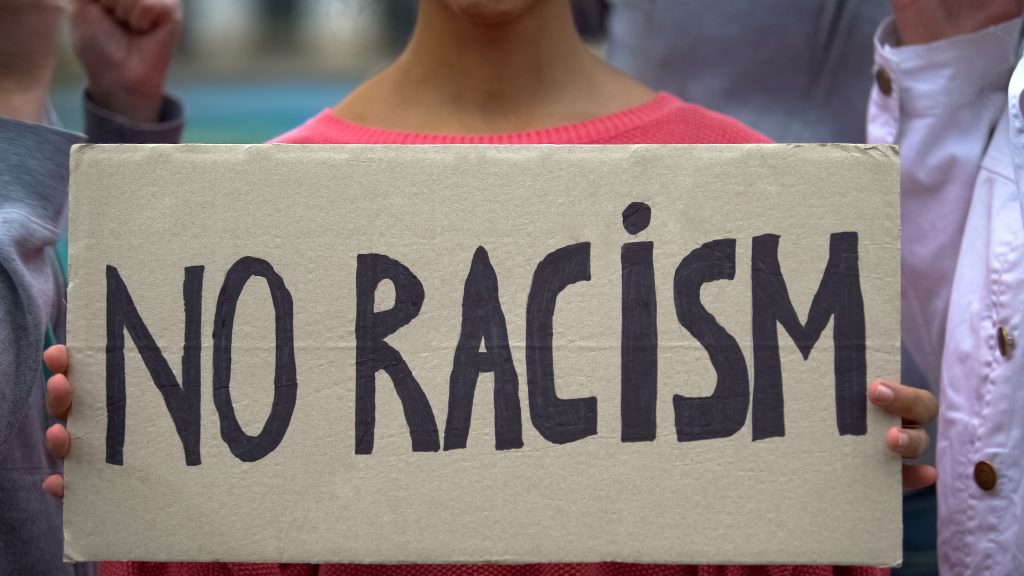
Challenging Workplace Racism

It’s sad that in 2020 racism in the workplace is still a very real thing. Whether it is appointing managers or promotion panels subconsciously overlooking black, Asian and minority ethnic (BAME) candidates, or the occurrence of overt instances of discrimination and harassment on the office/shop floor, it’s undeniable that there is still a lot of work to be done on this front.

While nearly all companies have legally binding anti-discrimination policies set up, and governments have issued directives and legislation to try and eradicate this issue, it’s still worth taking the time to highlight the cases where things have gone – or are going – terribly wrong. With that in mind, here are four signs that racism may be an issue in your workplace:

1. STEREOTYPING

Managers must look out for examples of stereotyping in the workplace, which can provide the basis for racial discrimination to occur. Often based on misconceptions and incomplete information, stereotyping is particularly harmful as it portrays false generalisations, and attributes the same characteristics to all members of a group, ignoring the receivers of racism as individuals in their own right.

Be wary of the language used, and topics discussed, by colleagues. Are terms like “they” and “us” “your lot” used often to create a divide? Also, are workers making derogatory comments about elements of a person’s culture or customs?

2. HOSTILITY

Whether it is a black woman who is informed that she is too aggressive, a Muslim man criticised for not drinking during social events or an Indian immigrant/Eastern European mocked for their accent, managers should be able to spot unfair criticism and hostility towards BAME persons.

Victims of racism in the workplace can be subject to accusations of being out-of-place, and not fitting in the office/workplace culture. Moreover, BAME people tend to find that normal differences of opinion or failing to get along with a co-worker may be treated as more serious due to the hostility held towards them in a racially charged work environment.

3. OVERCRITICAL

With the increasing pressures of the modern time-poor, stress-rich business world, criticisms of employee performance from team leaders and peers is common.

Managers must be mindful, however, of how fair the criticism is to all staff, particularly minority groups, reacting quickly to criticisms that go a step too far. Victims of racial discrimination at work have reported being vilified for doing their work.

4. CONSISTENTLY OVERLOOKED

The “glass ceiling” is a prolonged issue that ties together all the previous points, and results in many talented, ambitious and well-educated BAME men and women failing to gain jobs, promotions or salary boosts, compared to their white counterparts.

But when the opportunities do finally arise, victims of racism note that their authority is constantly challenged and undermined by those both above and below them on the career ladder.

Thanks to Equality and Diversity UK for these signs on how to identify if racism may be an issue in your workplace.

JD