
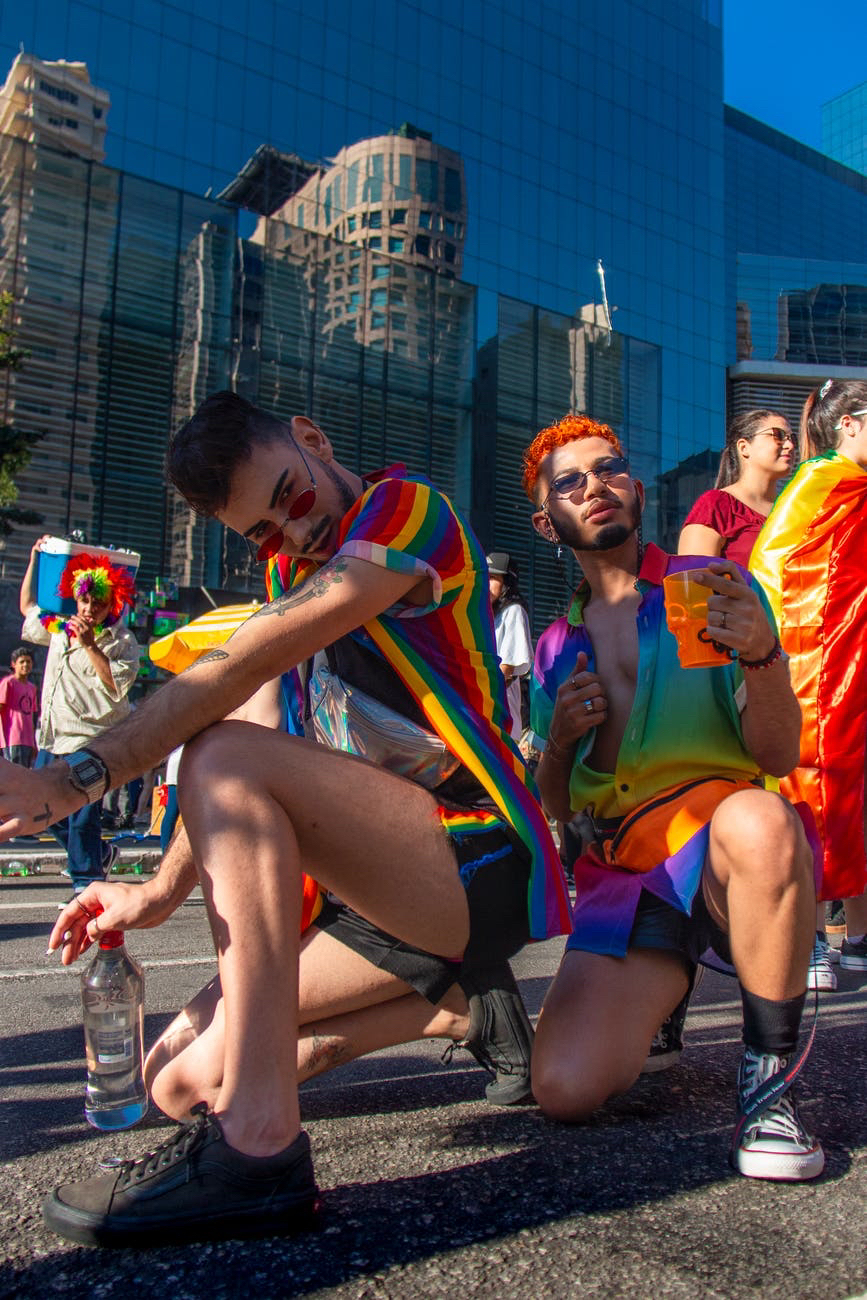
In the UK, June is Pride Month, a month dedicated to celebrating LGBTQ+ communities around the world. This year marks the 50th anniversary of the first Pride march in the UK – a day when hundreds of LGBTQ+ people and their allies arrived in London to protest a society where they were not safe to be themselves.
Organisation’s need to work with the LGBTQ+ community and their own LGBTQ+ employees to ensure an inclusive workplace culture. When better than pride to engage with your LGBTQ+ employees to build inclusion. That said, there is little point flying flags one month a year if you don’t celebrate your LGBTQ+ staff all year round. Take the time to engage with the LGBTQ+ workforce. So, speak to your staff, review your policies for inclusivity, find external trainers to raise awareness around pronouns and look to update your language around gender identity and gender expression to better include the full spectrum of the LGBTQ+ community.
The first UK Gay Pride Rally was held in London on 1 July 1972, a date that was chosen as it was the closest Saturday to the anniversary of the 1969 Stonewall riots in New York City, and around 2,000 people participated.
In London, these brave protesters marched to Trafalgar Square despite fearing for their own safety. But they knew it was important that their voices were heard – and their actions that day paved the way for half a century of progressive societal change for LGBTQ+ people.
The Stonewall riots were important protests that took place in 1969 in the US, that changed gay rights for a lot of people in America and around the world.
Quiz Question – Who is known as ‘The Mother of Pride’ after organising the first ever gay pride march. Answer at the bottom of this article.
In their article celebrating fifty years of gay pride, the Gay Times explains how the first Pride march came about in the UK.
“On 1 July 1972, around 2,000 people marched down Regent’s Street in London in the name of Gay Pride. Up to 40 members of the Gay Liberation Front had organised the protest, hoping it would serve as an antidote to widespread gay shame prevalent throughout the community. Same-sex sexual acts had only been decriminalised in England and Wales five years earlier, so the LGBTQ+ community was still dealing with the trauma they’ve suffered during the decades before. “They were ashamed of their sexuality and gender identity so our counter to gay shame was Gay Pride,” Peter Tatchell – one of the people who organised that 1972 Pride march – explained.”
In 2022, Pride is a celebration of people coming together in love and friendship, to show how far LGBTQ+ rights have come, and how in some places there’s still work to be done.Pride month is about acceptance, equality, celebrating the work of LGBTQ+ people, education in LGBTQ+ history and raising awareness of issues affecting the LGBTQ+ community. It also calls for people to remember how damaging homophobia was and still can be. Pride is all about being proud of who you are no matter who you love.
Since June 28, 1970, Pride events have grown bigger, bolder and well… prouder!
Did you know the answer to our quiz question? The answer is Brenda Howard, an American lady who is recognised as ‘The Mother of Pride’ after she organised the first ever gay pride march.
JD
 The Equality Blog