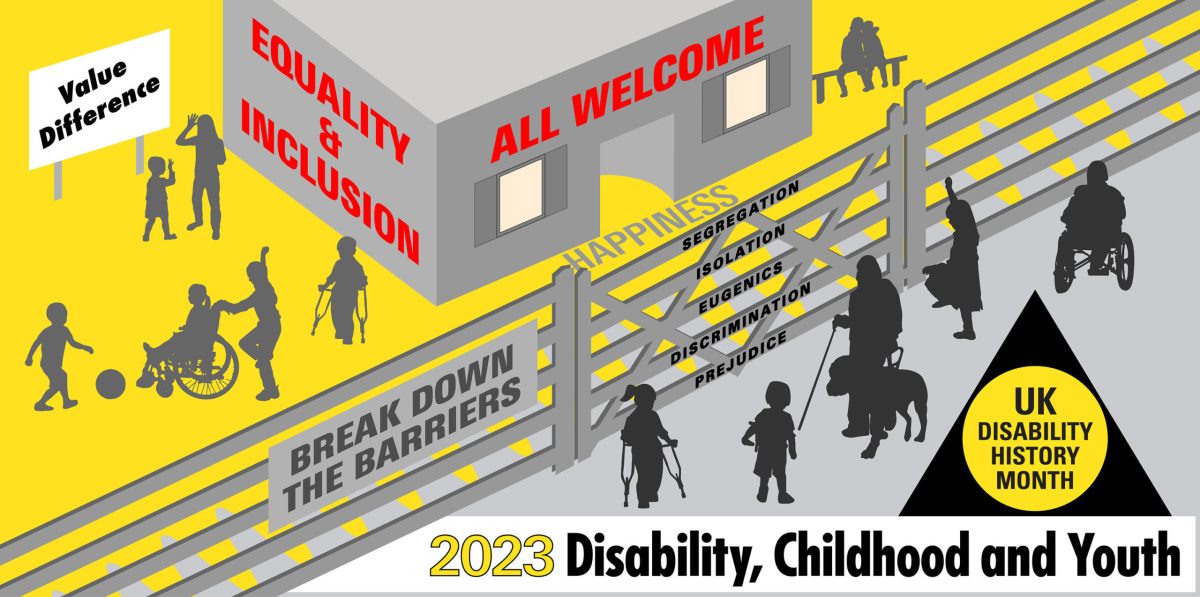
From Thursday 16 November to Saturday 16 December 2023, we will be celebrating UK Disability History Month (UKDHM). This provides a platform for highlighting the struggle disabled people continue to face for equality and human rights.
This year’s UKDHM explores the experiences of disabled children and young people in the past, present, and future. In the UK, there are 16 million disabled people, and 11% of children are disabled. Even though 80% of adults become disabled once they reach working age, some suffer from delayed diagnoses or hidden conditions since childhood.
In recognition of Disability History Month, organisations should reflect on their policies and practices concerning disabled people. Identifying areas for improvement and developing strategies for ensuring the highest quality of care for disabled people can be done by examining the historical context. Involving disabled individuals in decision-making processes, establishing disability-friendly policies, and implementing training programs may be part of this process.
In order to ensure that all children and young people with long term impairments are not subjected to social exclusion due to stigma, stereotypes, negative attitudes, and socially created barriers in the environment and in the way things are organised, Disability History Month draws upon the Social Model/Human Rights approach.
During Disability History Month, disabled individuals are celebrated for their achievements and contributions at work. By celebrating inclusion, stereotypes can be challenged and barriers broken down, leading to a more diverse and equal society.
What can workplace leaders do to better support their disabled staff?
Employee Resource Groups
Staff Disability Networks can play a crucial role in promoting diversity and inclusion in the workplace. Discrimination and inequality in the workplace can be addressed through it as a platform for employee interaction. It is through such networks that a more inclusive and equitable work environment can be created.
Executive sponsors
Executive sponsors can play a crucial role in supporting disability inclusion in the workplace by advocating for, promoting, and implementing policies and practices that enable individuals with disabilities to thrive.
As an executive sponsor, you can have a significant impact on fostering disability inclusion in the workplace. By taking actions such as raising awareness, promoting diversity, supporting employees, and leading by example, you can create a more inclusive and equitable work environment for all employees. Remember that disability inclusion is not just the right thing to do; it is also good for business, as it attracts top talent, enhances employee engagement, and promotes innovation and productivity.
Awareness and Education
1. Educate yourself: Familiarise yourself with disability-related terminology, laws, and regulations.
2. Encourage education and training: Provide opportunities for employees to learn about disability inclusion and accommodations.
3. Promote disability awareness: Organise workshops, conferences, or events to raise awareness about disability inclusion.
Recruitment and Selection
1. Advertise inclusive opportunities: Highlight your commitment to disability inclusion in your job postings and recruitment materials.
2. Encourage diversity: Encourage recruiting managers to consider qualified individuals with disabilities for open positions.
3. Provide accommodations: Offer reasonable adjustments to applicants with disabilities during the recruitment process, such as accessible interview venues or interpreters for interviews.
Employee Support and Accommodations
1. Establish an adjustments process: Develop a formal process to request and provide reasonable workplace adjustments to employees with disabilities.
2. Promote accessible workplace: Ensure that the workplace is physically and technologically accessible, including accessible entrances, elevators, and assistive technology.
3. Provide equal access to benefits: Ensure that individuals with disabilities have equal access to employee benefits, such as training, flexible working and professional development opportunities.
Leadership and Communication
1. Lead by example: Model inclusive behaviour and actively support individuals with disabilities.
2. Include disability in diversity initiatives: Include disability in your overall diversity initiatives, such as employee resource groups or diversity training programs.
3. Actively communicate: Keep employees informed about disability inclusion efforts, policies, and progress.
Collaboration and Engagement
1. Partner with disability organisations: Collaborate with disability organisations, advocacy groups, and individuals with disabilities themselves to gain insights and best practices.
2. Empower employees: Encourage employees with disabilities to share their perspectives and actively participate in decision-making processes.
3. Recognition and rewards: Recognise the contributions of individuals with disabilities and celebrate their achievements.
Time to Act
During UKDHM, leaders should take the opportunity to work with their disabled colleagues and hold up a mirror to the organisation and ask yourself what you are doing to be more inclusive of those with a disability or long term condition.
JD












 The Equality Blog