
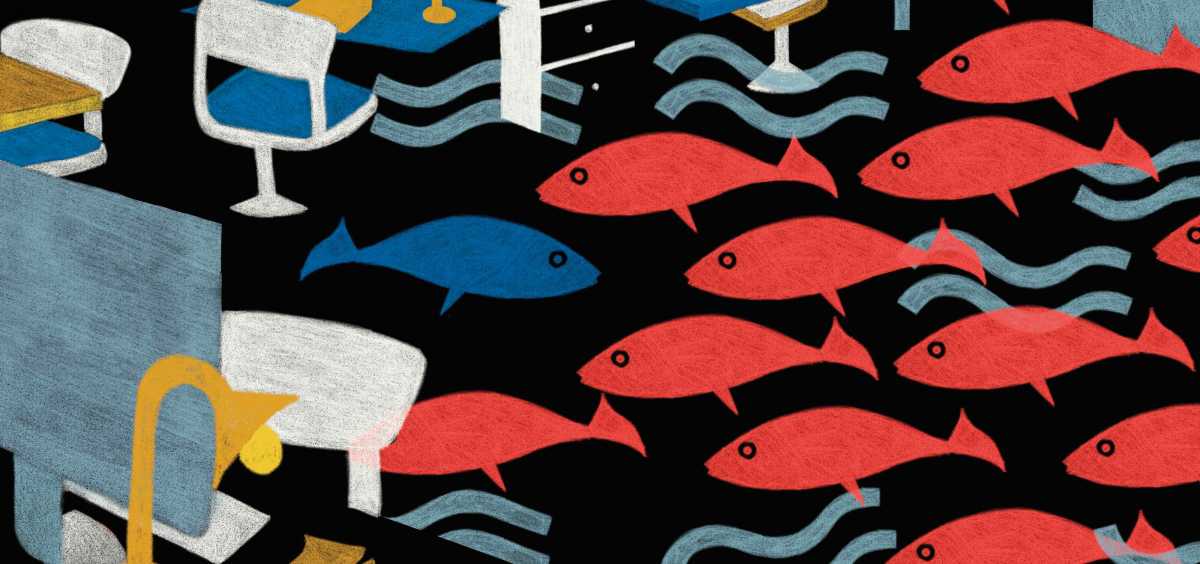
According to Harvard Health, Neurodiversity refers to diversity in the human brain and cognition, for instance in sociability, learning, attention, mood, and other mental functions. It provides an inclusive view of cognitive diversity, highlighting the differences at a neuro-biological level while considering the socio-cultural contexts of a human’s lived experience.
Employers need to be mindful as to how the business set up helps support those with different neurological conditions to create a diverse workforce. This includes:
- · Understanding the importance of managing neurodiversity at work.
- · Understanding how to manage neurodiversity at work, and
- · Being better able to support those with different neurological conditions.
In 2021, a Harvard Health report described the idea that people experience and interact with the world around them in many different ways; there is no one “right” way of thinking, learning, and behaving, and differences are not viewed as deficits.
The report explains how neurodiversity advocates encourage inclusive, non-judgmental language. While many disability advocacy organizations prefer person-first language (“a person with autism,” “a person with Down syndrome”), some research has found that the majority of the autistic community prefers identity-first language (“an autistic person”).
Therefore, rather than making assumptions, it is best to ask directly about a person’s preferred language, and how they want to be addressed. Knowledge about neurodiversity and respectful language is also important for clinicians, so they can address the mental and physical health of people with neurodevelopmental differences.
According to Professor Amanda Kirby, CEO of Do-it Solutions Limited and Campaigner for Neurodiversity, Neurodiversity is the way we think, move, act, communicate and process information.
She explains, “we are all different. Some people have challenges and strengths associated with conditions such as Attention Deficit Hyperactivity Disorder (ADHD), Dyslexia, Autism, Dyscalculia, Developmental Coordination Disorder/Dyspraxia, Developmental Language Disorder.
There is not one person or one condition that defines our differences ( or our similarities). We are too often defined by what we can’t do and not by what we can.
The reality is that some people will gain a diagnosis of Dyslexia, for example, and others diagnosed as having Autism or ADHD. However, who gains a diagnosis often can be a bit of a lottery. It can depend on whether difficulties are identified as a child by a teacher who spots some signs of Dyslexia or Dyspraxia (also known as Developmental Coordination Disorder) or by a parent who knows something about one of these conditions.
It often requires tenacity on the part of the parent or individual and also depends on local waiting lists and service availability. For many people it can be a lengthy and at times costly process in terms of stress. Some people are paying for assessments as an alternative at a high cost.
For most people the starting position is to understand their challenges and gain some practical strategies to help as soon as possible. By understanding their unique spiky profile, you have a starting point to help to support them to be their best.
A person-centred approach means that strategies are tailored to EACH PERSON. It also importantly means harnessing strengths, to build confidence, self-esteem and become resilient.”
Professor Kirby’s research produced an effective guide for employers to making different adjustments for neurodivergent people, where three elements can be easily changed. Take a look at the graphic below and consider what your organisation can do to better understand how to manage neurodiversity at work, and how to support those with different neurological conditions.

I’d love to hear where you are on your journey to becoming an neurodiverse workplace. Let me know in the comments…

 The Equality Blog