
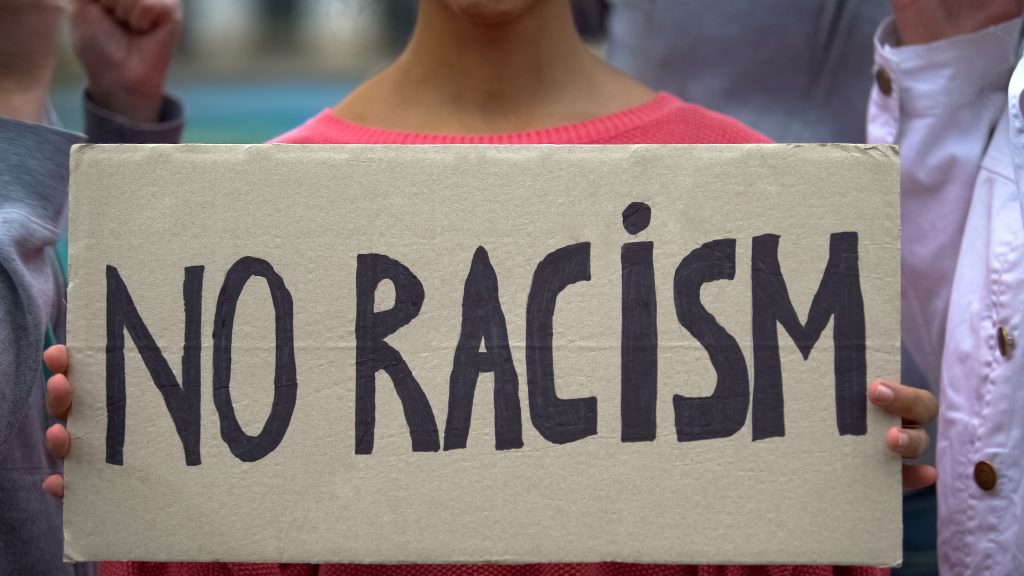
It’s sad that in 2020 racism in the workplace is still a very real thing. Whether it is appointing managers or promotion panels subconsciously overlooking black, Asian and minority ethnic (BAME) candidates, or the occurrence of overt instances of discrimination and harassment on the office/shop floor, it’s undeniable that there is still a lot of work to be done on this front.
While nearly all companies have legally binding anti-discrimination policies set up, and governments have issued directives and legislation to try and eradicate this issue, it’s still worth taking the time to highlight the cases where things have gone – or are going – terribly wrong. With that in mind, here are four signs that racism may be an issue in your workplace:
1. STEREOTYPING
Managers must look out for examples of stereotyping in the workplace, which can provide the basis for racial discrimination to occur. Often based on misconceptions and incomplete information, stereotyping is particularly harmful as it portrays false generalisations, and attributes the same characteristics to all members of a group, ignoring the receivers of racism as individuals in their own right.
Be wary of the language used, and topics discussed, by colleagues. Are terms like “they” and “us” “your lot” used often to create a divide? Also, are workers making derogatory comments about elements of a person’s culture or customs?
2. HOSTILITY
Whether it is a black woman who is informed that she is too aggressive, a Muslim man criticised for not drinking during social events or an Indian immigrant/Eastern European mocked for their accent, managers should be able to spot unfair criticism and hostility towards BAME persons.
Victims of racism in the workplace can be subject to accusations of being out-of-place, and not fitting in the office/workplace culture. Moreover, BAME people tend to find that normal differences of opinion or failing to get along with a co-worker may be treated as more serious due to the hostility held towards them in a racially charged work environment.
3. OVERCRITICAL
With the increasing pressures of the modern time-poor, stress-rich business world, criticisms of employee performance from team leaders and peers is common.
Managers must be mindful, however, of how fair the criticism is to all staff, particularly minority groups, reacting quickly to criticisms that go a step too far. Victims of racial discrimination at work have reported being vilified for doing their work.
4. CONSISTENTLY OVERLOOKED
The “glass ceiling” is a prolonged issue that ties together all the previous points, and results in many talented, ambitious and well-educated BAME men and women failing to gain jobs, promotions or salary boosts, compared to their white counterparts.
But when the opportunities do finally arise, victims of racism note that their authority is constantly challenged and undermined by those both above and below them on the career ladder.
Thanks to Equality and Diversity UK for these signs on how to identify if racism may be an issue in your workplace.
JD

 The Equality Blog